-
Every Generation Gets the Eating Disorder It Deserves
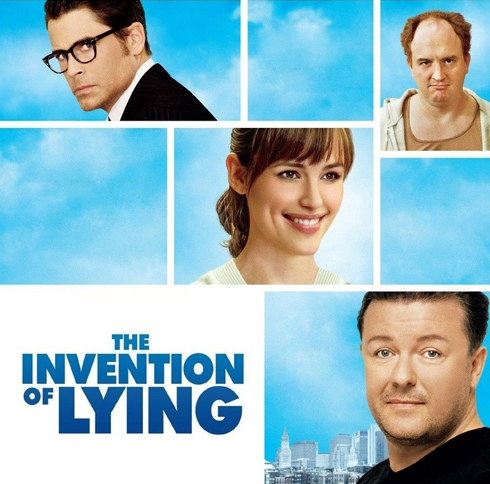
In The Invention of Lying, Ricky Gervais plays a man living in a world where nobody ever evolved the ability to lie, a premise that shapes every part of the movie’s universe. Like all good speculative fiction, the film commits to the bit: conversations feel like brutally honest Yelp reviews, people casually tell dates they’re unattractive like they’re commenting on traffic, and television seems to consist almost entirely of depressing historical lectures.
For about twenty minutes, it is one of the funniest premises imaginable. What makes the concept work is that the hypothetical world only feels convincing because the underlying logic feels plausible. Gradually, the premise starts revealing something much stranger underneath. In this universe, saying something comforting instead of brutally factual would be treated almost like fraud. The people in The Invention of Lying seem to be suppressing a constant stream of humiliating observations, while civilization exists mainly as a giant conspiracy to prevent them from saying these things out loud.
The premise only really makes sense if you accept the movie’s deeper assumption that politeness, tact, romance and social grace are fundamentally forms of dishonesty rather than fragile cultural achievements.
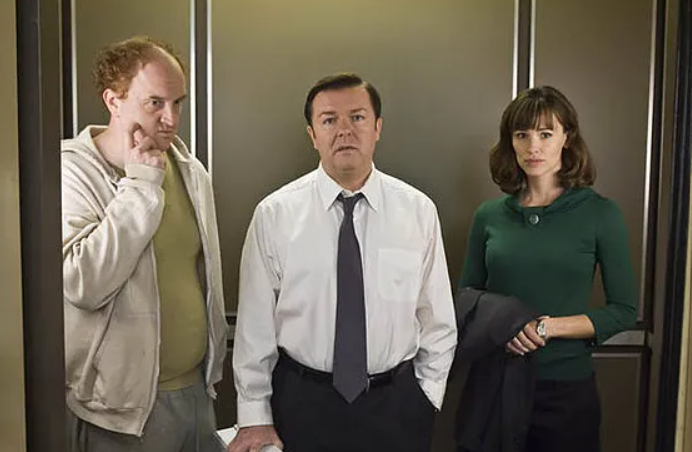 A movie that could launch a thousand uncomfortable conversations.
Part of what makes the movie funny is that it captures a real cultural shift born from early internet forum culture, where mocking and inverting ordinary social norms felt rebellious, clarifying and somehow more honest than everyday life. Online, the rude interpretation gained prestige because it violated polite consensus. The internet promised access to whatever society suppressed: pornography, piracy, fringe politics, anti-social thoughts, humiliating desires. What previous generations concealed out of shame or discretion suddenly appeared online with the force of revelation. Beneath civilization’s soft performances, internet culture insisted, lurked a darker and more brutally honest reality.
The Invention of Lying quietly absorbs this worldview without fully questioning it. The movie assumes the harshest interpretation of reality is also the truest one: cruel intrusive thoughts become honesty, cynicism becomes wisdom, romance becomes delusion. Politeness and emotional protection are treated as embarrassing lies people tell themselves to avoid confronting status, money, sex and self-interest.
But why should inversion automatically count as truth? The internet trained an entire generation to associate transgression with authenticity because online culture developed largely in opposition to institutional authority. Sometimes that exposed hypocrisy or created space for marginalized identities and dissenting ideas. But over time, especially in the United States, that mindset hardened into something closer to a worldview: what I’ve started calling Materialistic Utilitarianism. The Invention of Lying turns out to be one of the clearest portraits not just of that worldview, but what it produces in people.
The Prosperity Gospel of Abs
By the time I returned to Utah in 2019 after years living in France and the UK, I already felt I had crossed some invisible civilizational fault line. Since then, I’ve found myself trying to understand the strange bipolarity of Utah culture, especially the ex-Mormon dating scene, which often feels less like a rejection of Mormonism than its distorted mirror image. When my much younger, gym-obsessed ex-boyfriend showed me The Invention of Lying in 2024, my visceral disgust clarified something I had been struggling to articulate for years. It also exposed something I recognized in myself, dating a Gen Z boyfriend with a nasty case of body dysmorphia.
At one point, he was taking steroids after apparently consulting ChatGPT for fitness advice while simultaneously treating alcohol, especially beer and wine, with total disgust. A glass of wine at dinner was framed as bodily sabotage; beer became symbolic of laziness and decline. The contradiction fascinated me: synthetic hormones injected in pursuit of aesthetic perfection registered as rational self-improvement, while wine with pasta bordered on moral collapse.
That mentality feels especially intense in Utah, where alcohol rarely exists as something neutral or ordinary. Even after raising grocery-store beer from 3.2% to 5%, the state still maintains the strictest DUI threshold in the country at 0.05%, and alcohol remains wrapped in a culture of regulation, purity and supervision. What increasingly unsettled me, though, was how easily this merged with the hyper-optimized logic of internet culture and modern dating discourse.
Leave a Reply
We’ve All Been Bergotte Lately
On AI, aesthetic jealousy and the unbearable nearness of perfection
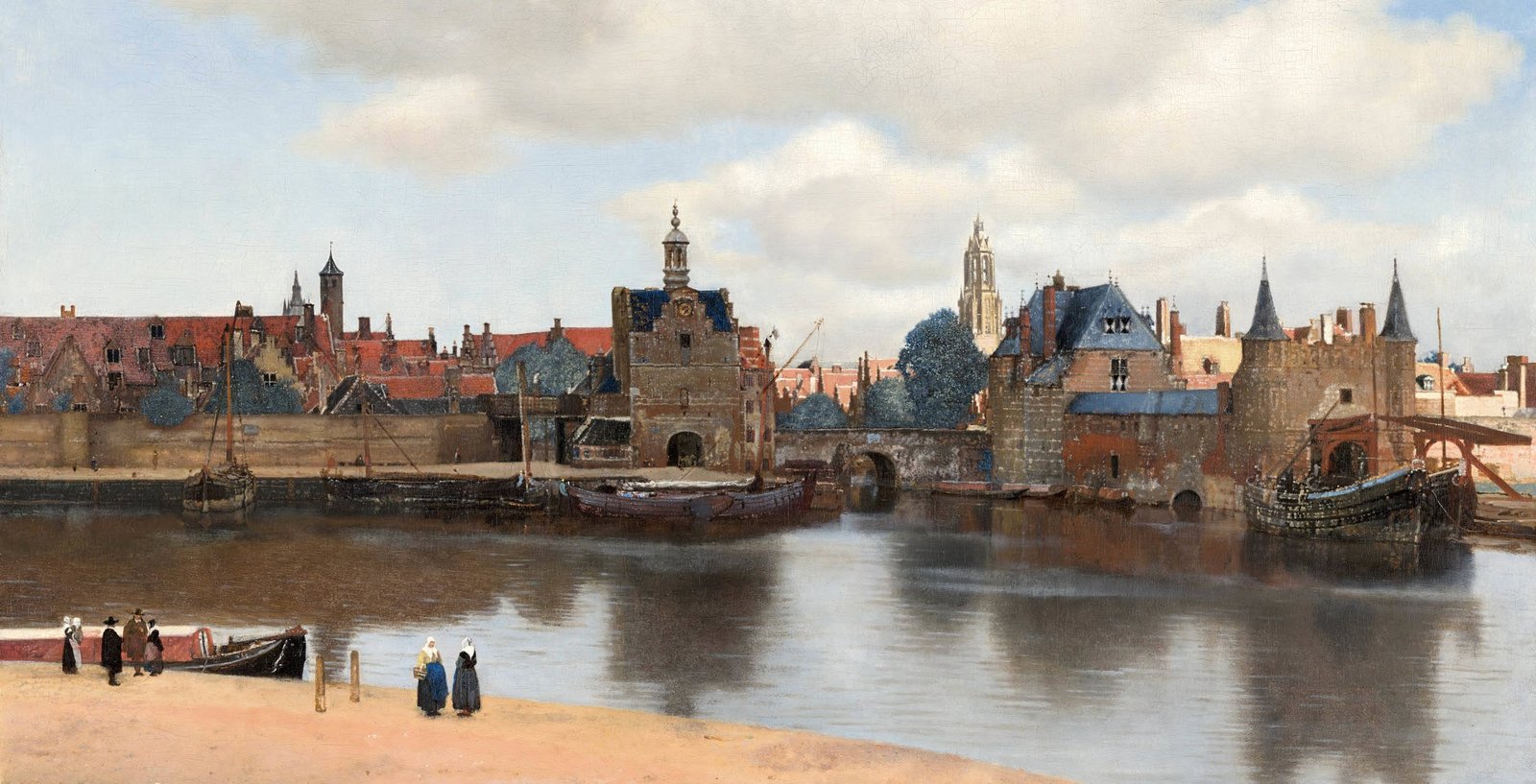
In The Captive (1923) and The Fugitive (1925), Marcel Proust — the writer the French revere and Americans keep meaning to finish — recounts the death of Bergotte, a novelist of moral precision and exhausted genius. Once celebrated for the spiritual lucidity of his early work and later dismissed for its ornamental perfectionism, he’s the kind of artist whose life narrows into a single pursuit: perfect aesthetic expression.
Bergotte attends an exhibition of The View of Delft by the seventeenth-century Dutch painter Johannes Vermeer. Across this and Vermeer’s thirty-two other surviving paintings, space and perceptual elements are balanced into visual harmony, allowing looking to settle into a stillness where radiance emerges. What Bergotte feels, and what generations of museum-goers have also experienced, is similar to what Tibetans call rigpa — a mystical awareness of the divine present.
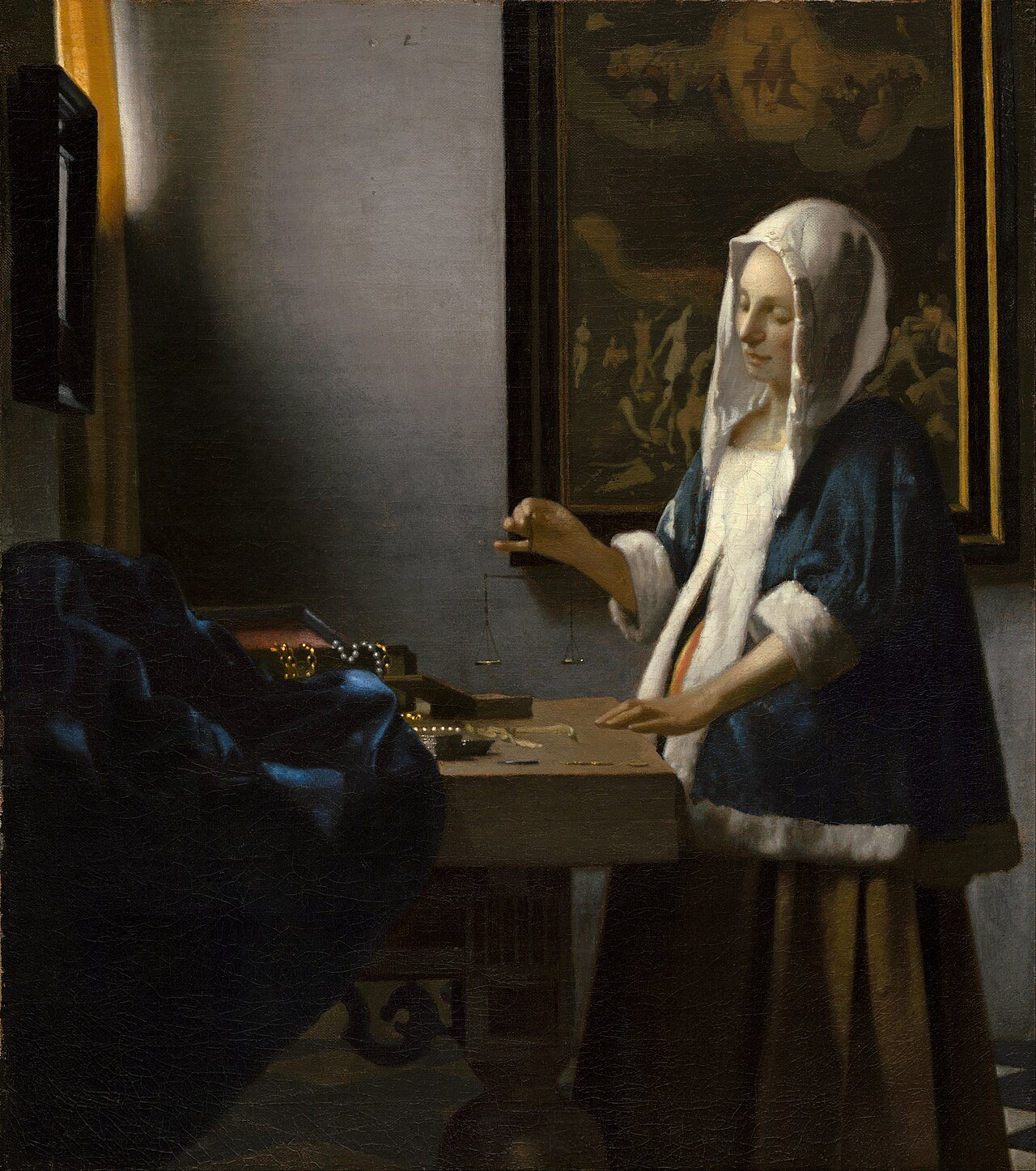
In Woman Holding a Balance, light bends across a wall, a woman holds a set of scales at the moment when they come into stillness. The harmony is deliberate, every detail measured with care, producing sensations that feel almost otherworldly.
I. Aurea mediocritas: “golden moderation” or the middle path
In our time, the most intense forms of aesthetic balancing are, ironically, done by machines. The requirements for perfect shape or mixing, especially in the manufacturing sector, far outstrip clumsy human ability — centuries and centuries after Vermeer mastered his craft.
One of the most noteworthy technologies for precise balancing and recombinging data to product an aesthetic output is the large language model. LLMs have structures so intricate they move with the hidden rhythm of thought, as if computed or quantified language were remembering how to think. LLMs perform a similar kind of seeing as Vermeer, in terms of calibrated balance, but at an impossible speed.
In them, we glimpse the merging of reflection and instruction, where the machine draws on the shared intelligence of millions to meet an individual mind in real time. It teaches as it learns, absorbing our habits of speech and curiosity while giving them back refined, expanded, re-ordered. The exchange feels intimate because it is: in the most positive conception of this process, both query and response are a gift to the future — a potential priceless insight for another faceless “user,” or maybe, “interlocutor.”
As a poem called “Marginalia” by Billy Collins says about this timeless process: “Even Irish monks in their cold scriptoria/jotted along the borders of the Gospels/brief asides about the pains of copying,/a bird singing near their window,/or the sunlight that illuminated their page–/anonymous men catching a ride into the future/on a vessel more lasting than themselves.”
II. When form learned to run
In another era, these aesthetic pursuits might have remained private ideals — the province of artists or mystics — each laboring toward an unseen perfection. The work used to be slow, devotional and often invisible to the world that would later worship it. Now these pursuits have become public and continuous, scaled into mass data and quantum velocity. The patience of Vermeer finds its mirror in computation, where billions of operations approximate in seconds what once required years — a lifetime really — of looking. Today we generate beauty collectively, continuously, almost without pause.
Artificial intelligence offers new kinds of creation, but it also repeats an ancient rhythm: discovery, exaltation, exhaustion. What feels new is not the pattern itself but its proximity — how directly it reaches into the mind, touching the circuits of language, memory and desire. The quest for perfect form is no longer private contemplation; it has become the shared condition of a culture that can’t stop refining its own reflection.
At the exhibition Proust describes, Bergotte stops before The View of Delft and notices “a little patch of yellow wall, with a sloping roof.” It’s a small, almost throwaway detail, yet it detonates something in him — the sharp, unmistakable jealousy of the artist, burning through the gut like a live coal (every creator’s oldest fear and most reliable fuel). For Bergotte, it’s the deathblow.
Bergotte thinks, “That’s how I should have written — with more harmony, like that yellow wall.” He repeats the phrase, leans closer and dies soon after — we can imagine— on a circular settee in the middle of an art gallery, probably with his forearm on his forehead and his eyes lolling back. It’s almost too French: a novelist so overcome by the formal perfection of a painting that he expires mid-revelation, felled by envy, taste and insight in equal measure.
Proust understood that beauty never kills from afar; it’s the closeness that does it — the glimpse of perfection just barely beyond reach. In many ways, AI is the same: a distilled best-practice engine capable of driving any hard-working professional slightly mad across a hundred disciplines.
III. The melodrama of perfection
What kills Bergotte is not the beauty itself but the recognition that perfection might be possible, and that he will never reach it. We react to our technologies with a similar melodrama. Each new wave of AI brings artists prophesying extinction, ethicists predicting apocalypse, regulators arriving late with a handbook and a palm open for greasing. The reaction is operatic, telling and totally predictable.
The spectacle of collapse is part of the ritual; the fear of being replaced is a way of confessing how much we worship the machinery of precision, expression and pleasure. It’s a drama as old as Mefistofele, Arrigo Boito’s 1868 opera of the Faust legend — Promethean fire bargained for, the artist seeking mastery and finding, in the bargain itself, a mirror of his undoing.
The bargain repeats itself, only the stage has changed. AI has become a collective obsession, equal parts ecstasy and despair. A new model appears like an annunciation and the internet convulses in recognition, as though a small god had been born online. Then comes the familiar liturgy: panic, prophecy and the slow return to dependence.
IV. The beautiful things that undo us
The pull is not pathology so much as the usual physics of the sublime, pleasure braided in with the wish to be undone by it. We keep returning because it is beautiful and a little lethal, the way serious art always is: it makes you want to go on and to give in. We’ve reached a threshold where the technology itself evokes the sublime in Edmund Burke’s eighteenth-century sense of the word: “awe and terror mingled in the same breath.”
In his Philosophical Enquiry (1757), Burke described the sublime as the feeling produced when the mind confronts something vast enough to unmake it. LLMs now mirror thought with such precision that their fluency feels alive. It’s too intricate to dismiss, too uncanny to fully trust and that tension — between admiration and fear — has always been the hook of addiction.
The future won’t demand new emotions from us, only stronger doses of the old ones. To see what’s coming, we have to look back at how humans have always managed the beautiful things that undo them: with ritual, regulation and a touch of denial.
V. Exit through the gift shop
Museums understand mania better than most industries. The path through an exhibit is never accidental: lights dim, colors heighten, the air grows quiet and just as attention reaches its peak: there’s the exit, lined with glossy merchandise. Banksy’s Exit Through the Gift Shop (2010) captured this perfectly: how modern culture turns aesthetic revelation into commerce, how the moment of transcendence slides seamlessly into the impulse to buy.
The trick is neurological, not moral. After prolonged focus, the brain flushes with dopamine and relief — the perfect state for transaction. Designers know this. Red excites hunger, gold suggests transcendence, curved pathways keep visitors circulating steadily. The same principles guide casinos, social feeds and streaming interfaces: control the rhythm of stimulation and exhaustion and you can predict when people will spend, scroll or stay. It isn’t cynicism so much as architecture — a geometry of attention built to harness the physiological aftermath of wonder.
AI now occupies that same psychological space. Each conversation, each generated image, feels like stepping through another exhibit, dazzling, precise, slightly unreal. The thrill is cognitive rather than visual: the brain lighting up at its own reflection. What we used to call inspiration has been externalized, automated and made conversational. We keep asking questions not because we expect surprise, but because the rhythm of answering feels like understanding.
VI. Everyone dies on the settee
AI is only the newest proof that we’d rather risk mania than endure stillness, that we crave the spark more than the calm that follows. Proust’s Bergotte died chasing a patch of yellow paint, Boito’s Mefistofele bartered for divine fire and Burke called the sublime “full of awe.” Each was describing the same geometry — the way beauty, power and knowledge converge at the edge of what the human mind can safely bear.
AI brings both the closeness and distance into sharper focus, urging imagination to move faster than its technological reflection. What matters now is learning to work with that perfectly terrifying reflection — to use iteration itself as a creative force, pushing past imitation and “good enough” toward something truer, stranger and even more humane. We have to remember that its brilliance is, in the end, a real reflection of our own capacity to create.
The danger isn’t damnation or death; it’s thinking the painting is finished. Perfection keeps moving through pigments, through pixels, through us. The best we can do is keep painting, keep prompting and try not to die mid-sentence.
Leave a Reply
Two American Girls of Cambridge
Love, work and other English heritage ailments

Autumn 2013 —
Cambridge, Cambridgeshire… on the river Cam…
I. A small test of inconvenience
“Better a witty fool than a foolish wit.” — The Clown, Twelfth Night (Translation: Here, irony is oxygen and sincerity a choking hazard.)Most mornings, I rode a white bicycle with a wicker basket and a D-lock — what we’d call a U-lock in the States — through a drizzle so gentle it felt like God had a lingering runny nose. Coming from Utah, where rain is a rare spectacle of thunder and repentance, I never quite adjusted to how punctual it is in England. In the mountain desert, rain happens about as often as people eat green Jell-O (practically never).
I cycled through the drizzle toward the libraries, down Hills Road toward the center, a punctuation mark in the grey paragraph of morning traffic, weaving close to cars without hitting their mirrors. The colleges would wake up: porters unlocking centuries-old doors, someone eating a “cheeky” sausage roll at a bus stop. I’d loved Cambridge long before I got there, but in England you can’t just say something like that. You have to start by complaining about the weather. It’s as though affection must first pass a small test of inconvenience.
II. Three places, one God complex
When I told people where I was from, they nodded with that English politeness that means mild confusion. “Utah?” Someone would usually ask, “Near Las Vegas?” — meaning the place British men flock to for stag weekends, armed with inflatable anatomy and the promise of bad decisions.
In reality, the two cities are six hours apart by car, a straight shot down I-15. Salt City mirroring Sin City across the motorway — the two of them glaring at each other like a separated couple in a bad marriage still sharing a bank account.
Cambridge has Old World charm, so neatly named it borders on self-parody. There’s a river called the Cam and, of course, a number of bridges. Locals, ever self-aware, like to joke that the name proves genius is in the water.
For some, Cambridge was still a finishing school for the world’s most polished: chauffeured to formals, brunching in AirBnB’d castles, posting filtered group pictures under Hellenistic sculptures on the relatively new app, Instagram, (founded in 2010, acquired by Facebook in 2012).
Days blurred into drafts and deadlines, the slow rhythm of library lamps and late-night tea. Ambition was its own religion here, quiet but consuming. We scrawled the motto over our doorways: Silent Desperation is the English Way.
III. Shine on, you Cantabrigian diamond
Syd Barrett and Roger Waters were rumored to have played their first set here when they were fourteen or fifteen at the Anchor Pub. Barrett grew up (and died) in Cambridge. I met coursemates and friends who came to visit at the pub; sometimes I came during lunch, watching the punters on the river. Sometimes I sat by myself in the corner downstairs — listened to music, spent a little time with Syd’s spirit.
I felt at home, haunting the town as a cultural-anthropologist-to-be with a black wool coat and a funny last name. British people still think Macbeth is unlucky. Sometimes I felt it. Maybe I was living in a fever dream or an Earl Grey delirium… regardless, I was there.
IV. The other American girl
“If I had my mouth, I would bite; if I had my liberty, I would do my liking: in the meantime let me be that I am and seek not to alter me.” — Don John, Much Ado About Nothing (Translation: If you can’t beat the algorithm, don’t join it?)“Marry, sir, they have committed false report; moreover, they have spoken untruths; secondarily, they are slanders; sixth and lastly, they have belied a lady; thirdly, they have verified unjust things; and, to conclude, they are lying knaves.” — Dogberry, Much Ado About Nothing (Translation: Someone on Instagram is lying again.)In 2013, her posts reached us like contraband, circulating among the unconcerned nerd girls. She was studying across town, photographing candlelit formals and sun-washed courtyards; her posts slipped into our common rooms like dispatches from a parallel university. She made Cambridge look effortless, like a romantic comedy. Something both brass and totally American, but novel in the brave new world of Instagram filters. Enter Valencia Rock ’n’ Roll from N.Y.C.
What fascinated me most about Caroline Calloway — with her literary name straight out of Fitzgerald — was the story behind the sparkling façade: the strange duet of authorship and illusion. I watched it all from the Anthropology & Archaeology Library, the University Library, the Hughes Hall library. I didn’t feel envy exactly, more like the fascination of seeing someone animate their own myth in real time. She’d translated Cambridge in the 21st century into a vivid image. In many ways, my experience felt like endurance. But then, every myth has someone in the shadows — usually a woman — doing the invisible labor that keeps the illusion intact.
V. Caroline’s chorus: every drama needs its ghost
The story that broke in 2019 revived the Caroline Cambridge myth that began in 2013, when Caroline and I were students at Cambridge. The story focused on Natalie Beach: they had been best friends in college, collaborators turned co-conspirators in character invention. Natalie later alleged that she had not only helped write the early Instagram captions but had co-created the Caroline persona itself, an uncredited ghostwriter to the myth. Together they built the witty intimacy that made Caroline’s feed so addictive, while Caroline lived it in public: the gowns, the heartbreak, the fantasy of effortless belonging. (Very Gossip Girl; yes… I watched it all.)
That was twelve years ago. And still, in 2025, glossy stories keep appearing — Caroline posed in soft light, telling new versions of the same tale. The fascination endures. When the ghostwriting story broke, I didn’t feel vindicated. I mostly felt curious, and, if I’m honest, a little jealous… of the paid ghostwriter Natalie.*
My love of psychedelic theater like Dark Side of the Moon and secret Gossip Girl viewing proved I’d always been drawn to spectacle, but I dressed my artistic aspirations as coursework: poetic prose that made academic boards give me grants — or let me take out loans so I could learn more. Back then, I just worked. Didn’t question it.
*A friend who proofed this essay (male) believes that deep down I wish I were posing in my underwear next to a Beauty & the Beast costume for thousands and thousands of dollars. This repressed intimation of female jealousy, he reckons, is the most interesting idea in the essay.
VI. An honest day’s haunting
By then, I had started to notice that Cambridge had its share of quiet ghosts: people like me, living in libraries, alone or in company, absorbed enough in our work that we began to fade at the edges. We moved, in light or in darkness, in a kind of near-invisibility; kept vigil for old, tattered stories while others told prettier ones.
I worked at the Museum of Archaeology & Anthropology on exhibits about disappeared civilizations, and with visiting groups from South Africa, Australia, Nigeria, First Nations, and the Blackfeet Nation. As graduate students, we twenty-somethings met with representatives, listened to stories tied to identity and memory, and learned to care for the objects living at the museum.
I used to drink coffee from white china cups after lunch, thousand-yard staring out a window overlooking the cricket green. I told people I was agnostic when the Utah question came up, but I also spent hours each week in Cambridge’s churches crying.
In Turkish restaurants, Muslim-owned grocery stores and malls in the suburbs, where I rented a shared council house, I encountered many other people trying to become something or do something great. I felt privileged, but everyone could see the missing buttons on my coat, stumbling in for real-sugar chocolate at odd hours.
Sometimes I wondered if loving a place was just another form of study — an endless observation that never turned into certainty. I wrote about belonging as if naming it might make it real, but Cambridge resisted ownership in the way all beautiful things do. My research, interviews and writing addressed the question: How do we inhabit the places we’re from, those we adopt, those we — lovingly, even masochistically — serve? ’Til death do us part… or not, Dear Cambridge.
VII. Portrait of the artist, post-graduation
“I can call spirits from the vasty deep.” “Why, so can I, or so can any man; But will they come when you do call for them?” — Glendower and Hotspur, Henry IV, Part I (Translation: But can you get funding?)On Orchard Street in Cambridge in 2018, I rented a small room with my long-time boyfriend, who I’d met years earlier as a master’s student. Outside, bicycles clicked past toward the river; inside, the Medieval rafters exhaled in little sighs and radiators creaked. The ceiling slanted, the air smelled faintly of rain and coffee and the small desk by the window became the site of my artistic evolution, a miraculous spurt of production after years visiting the altar of the Muse of Writing, waiting for a sign.
VIII. Devotion and other British habits
“I have no other but a woman’s reason; I think him so, because I think him so.” — The Two Gentlemen of Verona (Translation: Feeling is its own form of faith.)“There’s language in her eye, her cheek, her lip.” — Troilus and Cressida (No translation necessary.)A stone’s throw from Orchard Street was the Princess Diana Memorial Garden — a modest town park with practical flowerbeds, nothing exotic — somewhere I used to sit at all hours of the day, cross-legged. Children ran in circles around the benches while parents unwrapped sandwiches, the ordinary rhythm of British weekends. It wasn’t the sort of place anyone photographed, which was what I liked about it.
For anyone who grew up in the 1990s, her image was everywhere: the ocean-blue eyes, the head tilt, that quiet strength that seemed to glow from television screens and magazine covers alike. In Utah, that admiration had its own peculiar intensity — perhaps because so much of our culture still carried traces of old England, with hymns and hierarchy just a breath removed from High Anglicanism. Loving the Royal Family came easily; devotion to Lady D felt like a shared inheritance. My mom cried for a week when she died. It’s a vivid childhood memory. Blonde, magnetic and naturally elegant, my mom had what people used to call “a Diana-like way about her.” England never felt totally foreign to me: so much of our cultural heritage is close, intimate — even painful — like a family photograph.
However, different parts of me spared me from imposture syndrome or castigating myself too much in an environment where I was, more often than not, stepping on toes. Maybe it was the Celtic stubbornness or the frontier nostalgia, but I took a quiet pleasure in belonging somewhere I wasn’t supposed to. I was an Irish-Scottish-Swedish-Swiss-Welsh mix from the Wild West — a cultural collage that shouldn’t have blended with Gothic chapels and rowing clubs.
Yet, walking past King’s on foggy mornings, I felt more local than foreign, more student than visitor, grateful and a little defiant at once. I felt pride when I studied for finals in the Eagle Pub, beneath the scorched signatures of RAF and American airmen who had burned their names into the ceiling during the Second World War: a small inheritance of audacity I could recognize in myself.
The cathedral of feedback
In the morning on Hills Road, I passed tech workers and tourists, each on a different kind of pilgrimage, convinced the next bright screen or cloistered courtyard held meaning. Celebrity, scholarship, capitalism: chapels in the cathedral of feedback. Some heard noise as progress; others were just trying to do good work, live decently and make sense of where they’d ended up.
Cambridge had a rhythm of its own — oftentimes made judgements about correct ambition and devotion, noise and truth. Some days I thought I understood it; other days it was all confusion. There was comfort in a shared definition of meaning in the midst of tradition, architectural beauty and tantalizing “No Entry” signs everywhere.
P.S.salm 46:5
To my Fourth Watch LoveLeave a Reply
Opening a 2012 Time Capsule

I recently did something that should require protective gear and a signed liability waiver: I opened a writing folder not accessed since September 2012. It did not creak audibly, but it should have. This was not just a folder, but a sealed intellectual time capsule, assembled at an age when I believed adjectives improved in proportion to how many of them I stacked, when present tense felt inherently more profound than past, and when every museum visit threatened to become a metaphysical episode.
The excavation was prompted by my current state of waiting to hear about my first attempt at a PhD application. There are only so many times you can refresh an email inbox before turning to archaeological self-harm, so I went digging. My immediate fear upon cracking the seal was not that the writing would be bad. It was worse. That it would be recognizably mine. That after fourteen years, professional detours, and a supposed maturation of voice, I would discover I had not evolved at all: same tonal fingerprints. Same instinct toward poetic, slightly over-layered reflection. Earnestness in similar density to a neutron star. Same desire to make a glass museum floor carry the symbolic weight of Western civilization.
I worried it might even be more daring than anything I would currently risk publishing in a blog, let alone attaching to an application packet destined for the Gates Cambridge Foundation, whose reviewers, I assume, prefer their ambition tempered and their metaphors well behaved. And yet, there is something disarming about the younger voice. It is less cautious. Less aware of genre boundaries. It stands in a museum and immediately attempts to converse with Shakespeare, Ovid, stratigraphy, and cultural memory all at once, without asking permission.
Which brings me to the entry itself, preserved exactly as it was written, like a ceramic vessel unearthed intact from beneath several layers of academic self-editing:
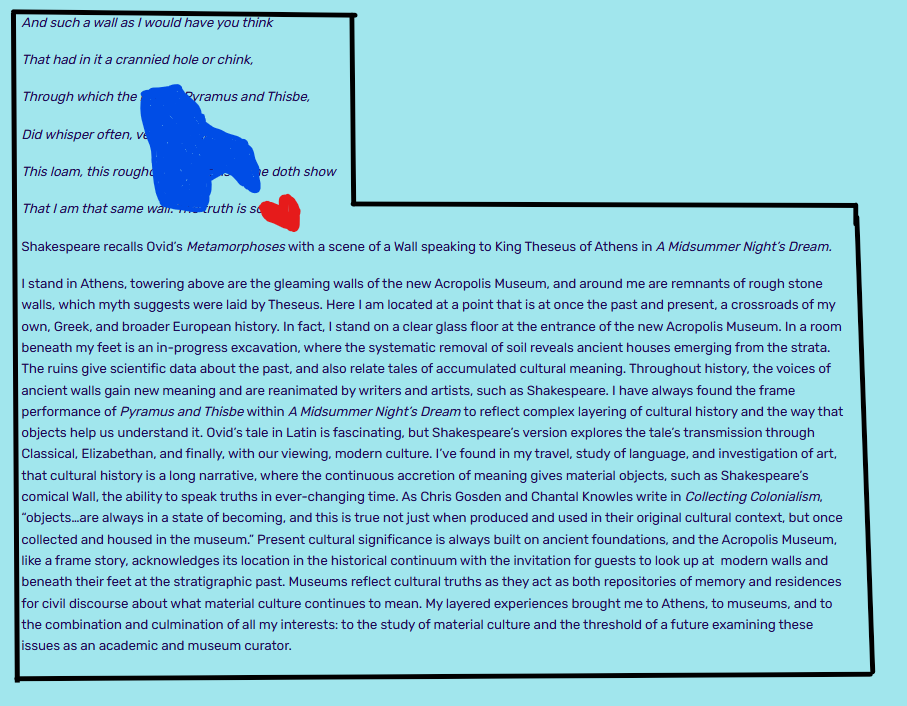
And such a wall as I would have you think
That had in it a crannied hole or chink,
Through which the lovers, Pyramus and Thisbe,
Did whisper often, very secretly.
This loam, this roughcast, and this stone doth show
That I am that same wall. The truth is so.
Shakespeare recalls Ovid’s Metamorphoses with a scene of a Wall speaking to King Theseus of Athens in A Midsummer Night’s Dream.
I stand in Athens, towering above are the gleaming walls of the new Acropolis Museum, and around me are remnants of rough stone walls, which myth suggests were laid by Theseus. Here I am located at a point that is at once the past and present, a crossroads of my own, Greek, and broader European history. In fact, I stand on a clear glass floor at the entrance of the new Acropolis Museum. In a room beneath my feet is an in-progress excavation, where the systematic removal of soil reveals ancient houses emerging from the strata. The ruins give scientific data about the past, and also relate tales of accumulated cultural meaning. Throughout history, the voices of ancient walls gain new meaning and are reanimated by writers and artists, such as Shakespeare. I have always found the frame performance of Pyramus and Thisbe within A Midsummer Night’s Dream to reflect complex layering of cultural history and the way that objects help us understand it. Ovid’s tale in Latin is fascinating, but Shakespeare’s version explores the tale’s transmission through Classical, Elizabethan, and finally, with our viewing, modern culture. I’ve found in my travel, study of language, and investigation of art, that cultural history is a long narrative, where the continuous accretion of meaning gives material objects, such as Shakespeare’s comical Wall, the ability to speak truths in ever-changing time. As Chris Gosden and Chantal Knowles write in Collecting Colonialism, “objects…are always in a state of becoming, and this is true not just when produced and used in their original cultural context, but once collected and housed in the museum.” Present cultural significance is always built on ancient foundations, and the Acropolis Museum, like a frame story, acknowledges its location in the historical continuum with the invitation for guests to look up at modern walls and beneath their feet at the stratigraphic past. Museums reflect cultural truths as they act as both repositories of memory and residences for civil discourse about what material culture continues to mean. My layered experiences brought me to Athens, to museums, and to the combination and culmination of all my interests: to the study of material culture and the threshold of a future examining these issues as an academic and museum curator.
Leave a Reply
Ten Years of Arts and Cultural Criticism in the American Southwest (2015-25)
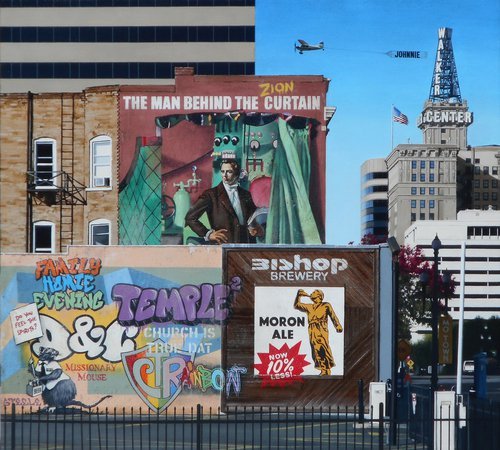
I get older; the art stays new.
This year marks ten years of writing arts and cultural criticism in (and around) Utah. It’s been a long, slightly chaotic labor of love and it’s given me more than a publication list. Writing became a way into rooms I didn’t yet know how to enter—openings, rehearsals, studios, back corners of galleries, community meetings. Over time, it gave me people too: friends, collaborators and others who cared enough to keep showing up. In a place where arts infrastructure is often held together by duct tape and determination, the work mostly looked like paying attention, writing things down and trying to help hold space where the official record thins out.
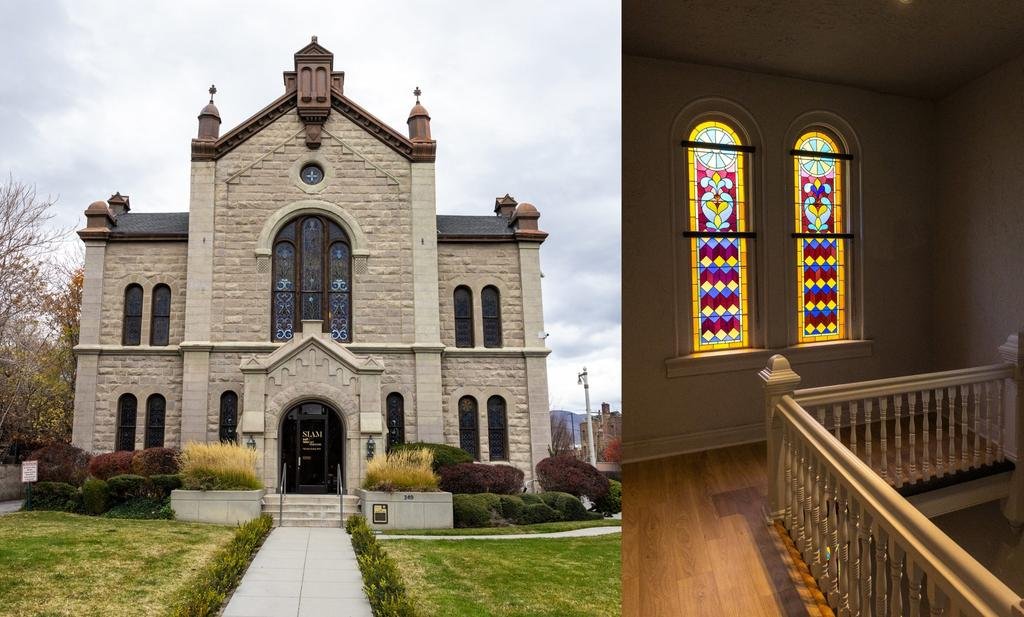
One stat that sticks with me: Utah has fewer museums per capita than any state except West Virginia, an unglamorous fact that explains a lot about why cultural memory here can feel so easily misplaced. I thought about that again while reporting on the B’nai Israel Temple’s next life as the Salt Lake Art Museum (SLAM), a project led by Micah Christensen and slated to open in 2026. The building’s survival is, in many ways, a case study in how rare cultural preservation can be in practice. (Read more here: “The Salt Lake Art Museum (SLAM) Finds Sanctuary in the Temple”.)
What follows is a year-by-year chronicle pulling a few representative pieces per year and the themes that kept returning: meaning-making and collective rupture; heritage and community memory; abstraction and early modernism’s long shadow; and the ongoing work of paying attention to people and places that get minimized, misread, or politely ignored.
2015 — War, memory, and what remains
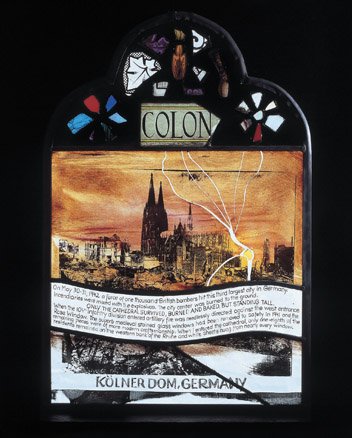
My earliest arts writing was already circling questions that would stay with me: how societies remember violence, how trauma echoes across generations and how performance becomes a space for processing what cannot be easily narrated. In 2015, I found myself repeatedly drawn to work shaped by war — sometimes historical, sometimes contemporary, often refracted through humor, ritual, or psychological displacement. Even then, criticism felt less like judgment than like translation: an attempt to make visible the emotional labor embedded in cultural production.
What interested me most, even then, was not spectacle but aftermath: how violence lingers in bodies, language and staging long after the event itself has passed. I was beginning to understand writing as a form of witness — one that sits with discomfort rather than resolving it — and that orientation quietly shaped everything that followed.
- “World War II in Fragments: The Remembered Light Exhibit’s Take on Loss and Hope”
- “The Grand Theatre’s ‘Young Frankenstein’ Is Halloween Comedy for Grownups”
- “Salt Lake Acting Company’s World Debut of Streetlight Woodpecker”
Together, these pieces trace an early interest in how art metabolizes collective violence — whether through solemn memorial, absurdist comedy, or intimate portrayals of PTSD — an interest that would later expand beyond war into broader questions of community trauma and historical inheritance.
2016 — Objects, pilgrimage and the weight of time
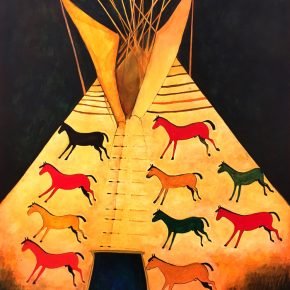
By 2016, my writing shifted decisively toward material culture and deep time. Across exhibitions of painting, sculpture, photography and mixed media, I became increasingly attentive to objects as carriers of memory — whether geological, cultural, or spiritual. This was also the year I began writing more explicitly about heritage without nostalgia: how artists engage with tradition, ritual and landscape without romanticizing them. I became less interested in artists’ stated intentions and more attentive to what objects themselves seemed to remember—how time presses into form and how place leaves a residue that can’t be fully aestheticized away.
- “Painting The Painted: Kevin Red Star at Modern West Fine Art”
- “The Remains of Lost Time: Laura Hope Mason’s Extinct”
- “Portraits of a Pilgrim Artist: Willy Littig at Mestizo”
- “Ryoichi Suzuki’s Suggestive Stone Sculpture at A Gallery”
These essays mark a growing preoccupation with duration: fossils, pilgrimage routes, Indigenous histories and sculptural forms shaped by both Eastern and Western traditions. Rather than treating art as isolated expression, I increasingly approached it as evidence — of time passing, of belief systems persisting and of place exerting quiet pressure on form.
2017 — Abjection, Abstraction and cultural hierarchies
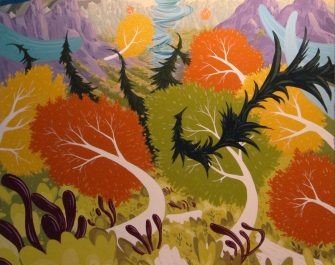
By 2017, my writing had turned more directly toward questions of cultural value: what is permitted to count as “serious” art, what is dismissed as decorative or domestic and how those judgments intersect with gender, labor and popular culture. Alongside a growing interest in abstraction and contemplative withdrawal, I began interrogating hierarchies that shape both artistic production and reception — particularly where animation, illustration and domestic narratives are concerned. I was also becoming more conscious of how criticism participates in gatekeeping — how language can reinforce or challenge the invisible borders between “high” and “low,” public and private, serious and sentimental.
- “A Love Letter From Growth to Decay: Naomi Marine at Finch Lane Gallery”
- “Specific Abject at The Rio Brings Depth to the Flat Surface”
- “Animation in the Spotlight: Under the Influence at Rio Gallery”
- “Emily McPhie: A Season for Every Thing Under Heaven”
Across these pieces, decay and accumulation sit beside care, repetition and craft. Whether addressing refugee loss through mass-produced objects, challenging the exclusion of animation from “high” art discourse, or examining domestic life as a site of artistic rigor, this year marks a clear shift toward analyzing how cultural systems assign meaning — and whose work is allowed to carry it.
2018 — Abstraction and the edges of the built world
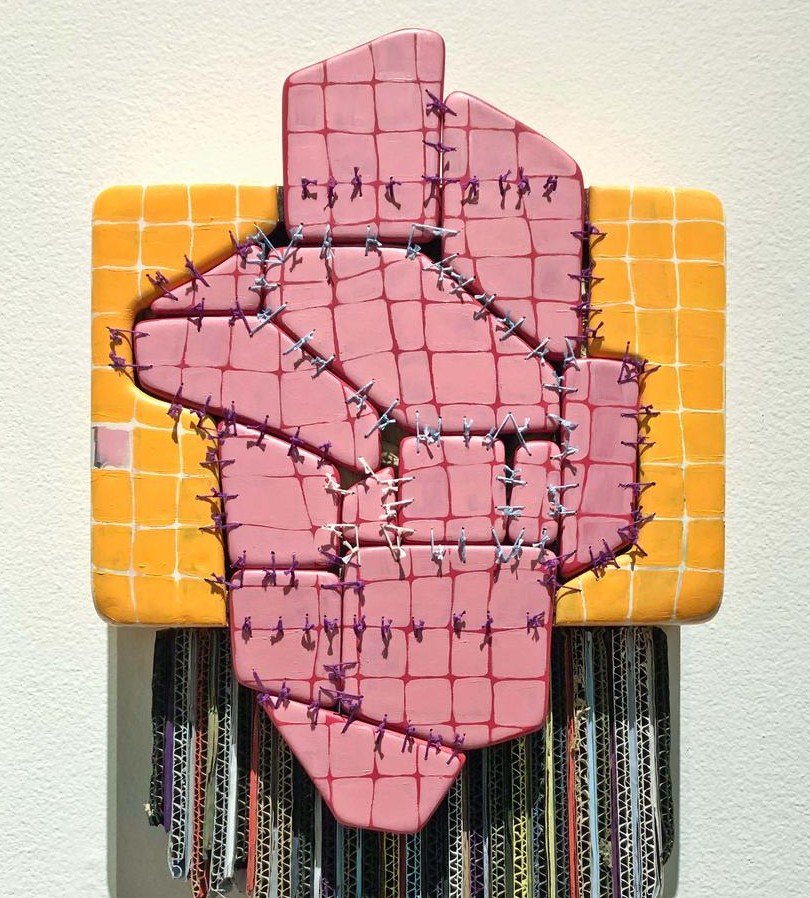
In 2018, my writing narrowed its focus rather than expanding it. Instead of surveying many threads, I spent more time with abstraction and with environments that sit just outside formal boundaries — urban margins, hybrid spaces and visual languages that resist narrative explanation. This was a year of thinking about structure: how meaning emerges when stories recede and attention shifts to form, material and spatial tension. Abstraction became a way to think spatially rather than narratively: to read environments, surfaces and systems without forcing them into story.
- “Urban Nature in Flux: ‘Ditchbank’ | Library Square”
- “UMOCA’s Survey of Utah Artists Explores the Possibilities of the Abstract”
Both exhibitions investigate what happens when order breaks down or gives way. In Ditchbank, the overlooked wilderness at the edge of the city becomes a site of negotiation between human control and organic persistence. UMOCA’s survey situates abstraction as a deliberate refusal of inherited narratives, emphasizing instead the artist’s creation of personal systems and visual codes.
2019 — Systems of meaning: vision, myth and inherited structure
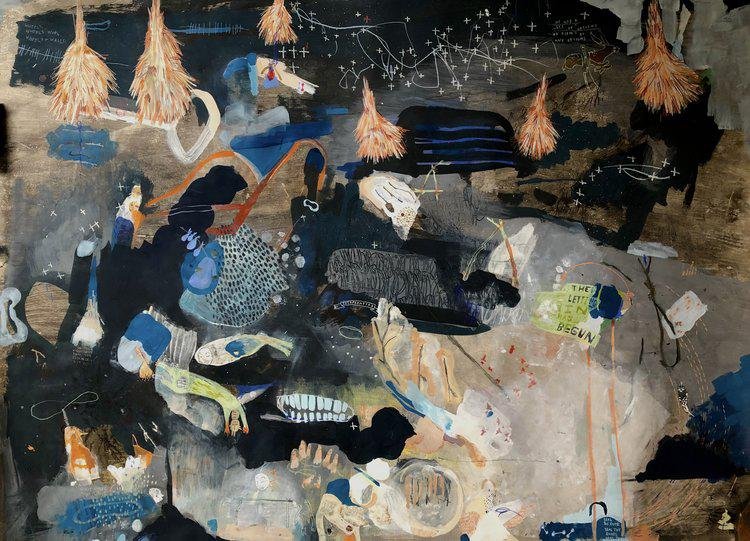
By 2019, my writing had moved decisively toward systems — how meaning is produced, transmitted and disrupted across families, myths, technologies and landscapes. Rather than focusing on isolated works, I became increasingly interested in how artists construct visual languages: photographic processes revived and altered, myths reassembled, family narratives fractured and reconnected. This was a year defined less by subject matter than by structure — how stories are built and how they fail. I was increasingly drawn to artists who treated myth and family not as origins to be honored, but as structures to be tested.
- “Experimentations in Vision at Nox Contemporary’s Twin Lens”
- “Amy Bennion and Elizabeth Matthews Explore Family Myths Broken and Connected at Finch Lane Gallery”
- “Box of Myth: Modern West Fine Art Features Storytellers Buehler, Mantle, and Ross”
- “From Desert to Ocean Crossings: Cody Chamberlain’s and Len Starbeck’s Intersections in Nature at the Park City Library”
Across these pieces, vision is never neutral. Alternative photographic processes foreground the mechanics of seeing itself; family relationships become the syntax through which reality is interpreted; myth operates as both inheritance and provocation; and landscapes are rendered not as scenery but as lived systems shaped by labor, memory and movement.
2020 — Collective rupture and marginalized realities
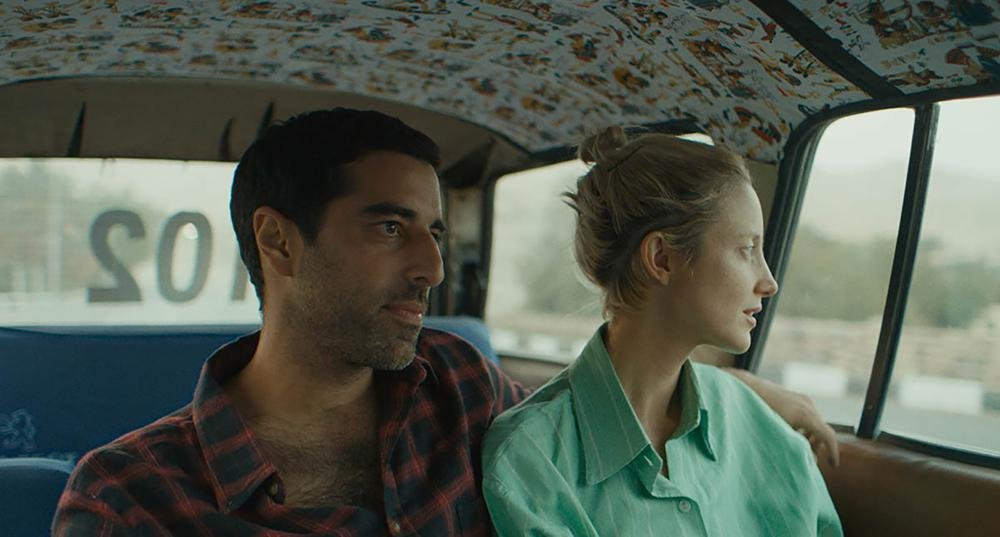
In 2020, my writing became inseparable from collective rupture. The pandemic did not affect communities evenly and much of the cultural work I was drawn to that year confronted this imbalance directly — foregrounding voices, experiences and realities that had long been present but were now impossible to ignore. Criticism shifted from interpretation to accountability: paying attention to who bears risk, who is seen and how art registers unequal pressure. The urgency of 2020 stripped criticism of any pretense of neutrality; to document art honestly required acknowledging the unequal conditions under which it was made, shown and received.
- “The Language of the Body Told Through Cinema’s Frame: The Bi-Annual Screendance”
- “Sundance Film Review: Luxor”
- “Virtual Public Art Tours During Social Distancing”
- “Andrew Alba Paints from the Gut in ‘American Soup”
Across these pieces, art functions as a record of strain rather than escape. Screendance reframed movement through mediated formats at a moment when access and visibility were uneven. Luxor traced the emotional residue of humanitarian labor and prolonged conflict. Virtual public art initiatives revealed how civic meaning could be sustained while public space itself became contested.
2021 — Care, heritage and cultural survival after the pandemic
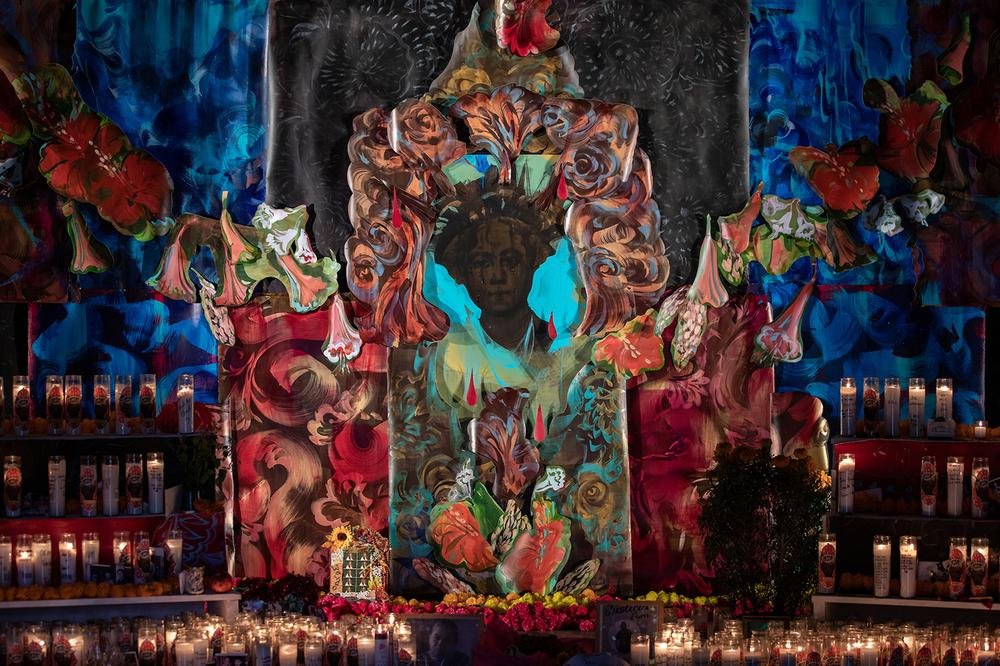
In 2021, my writing remained shaped by the aftershocks of the pandemic, particularly its uneven impact on marginalized communities. Rather than moving on from crisis, much of the cultural work I engaged with that year confronted its residue: who had been asked to absorb loss, who stepped into care roles and how art and community organizing became tools for survival, memory, and resistance. What emerged most clearly was care as cultural infrastructure, often improvised, frequently under-resourced and rarely celebrated.
- “Doula Ashley Finley Leads By Caring For BIPOC Parents’ Spirits”
- “Sarah May Uncovers Her Heritage in Photographic Layers”
- “Art as Activism after the Pandemic: Vida, Muerte, Justicia / Life, Death, Justice”
- “Saying ‘No’ to Big Real Estate to Save the Utah People’s Pantages Theatre”
Together, this writing reflects a year focused less on recovery narratives than on cultural endurance — how communities protect meaning, memory and space when institutional support proves unreliable.
2022 — Violence, land and the limits of inheritance
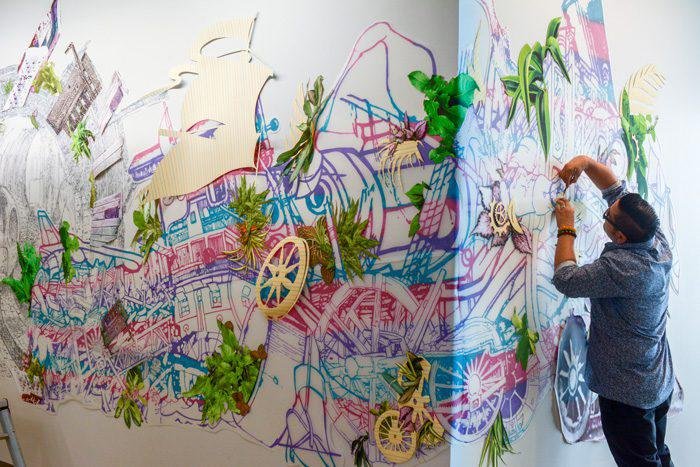
By 2022, my writing confronted the accumulated pressures that had been building across the previous years: violence embedded in land use, gendered vulnerability, nationalist mythmaking and the ongoing consequences of colonial and migratory disruption. Rather than focusing on recovery, this work stayed with what remained unresolved, asking how history, ideology and environment continue to shape whose lives are protected and whose are exposed. This year solidified my understanding of land as an active force rather than a backdrop, history continuing to structure belonging, vulnerability and risk.
- “The Rough Landscape of Women’s Existence in Land Body”
- “David Rios Ferreira and Denae Shanidiin: Transcending Time and Space”
- “Review: Jesse Meredith: So That We May Fear Not”
- “Making a New Life for Immigrants in Salt Lake”
Across these pieces, land and identity are inseparable. This writing stays with structural violence, how it is inherited, normalized and resisted, without forcing closure where none exists.
Interlude — Stepping away from the page (2023–2024)
After 2022, my public-facing arts criticism paused. This was not a retreat from cultural analysis, but a redirection of labor into professional writing, institutional work and foreign exchange–focused research that sharpened my understanding of systems, power and narrative framing in different registers. The questions driving my criticism, how meaning is produced, who bears risk and how communities survive long pressure, did not disappear. They moved into other forms.
When I returned to long-form cultural writing in 2025, it was with a clearer sense of synthesis: how a decade of arts criticism in the American Southwest had quietly become a foundation for broader historical, cultural and interdisciplinary work.
2025 — Return, synthesis and the quiet work of community
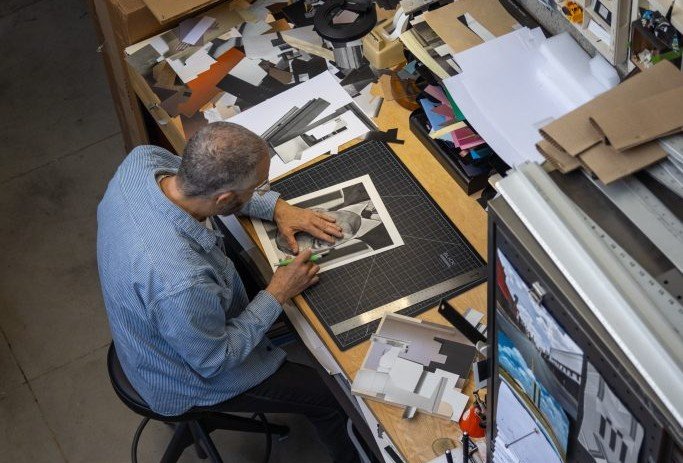
When I returned to publishing arts criticism in 2025, it wasn’t a restart so much as a re-entry, with sharper tools and a clearer sense of what I’d been tracking all along. After years of professional writing centered on systems, risk and institutional language, I came back to art with an increased sensitivity to structure: how communities preserve memory, how spaces accrue cultural meaning and how abstraction and design can carry ethical weight without announcing themselves. Returning with distance made visible what had been there all along: the most durable cultural work often happens without fanfare — through stewardship, sanctuary and consistency rather than spectacle.
- “The Salt Lake Art Museum (SLAM) Finds Sanctuary in the Temple”
- “Holly Rios Turns Printmaking Into a Conversation on Seeing and Being Seen”
- “A Geometry of Balance in Dan Evans’ Cut-Paper Abstractions at Finch Lane”
- “Ryan Harrington is Building a Quiet Architecture of Influence”
Together, these pieces mark a mature phase of my criticism: attentive to marginalized histories and cultural preservation, alert to the ways identity and expectation shape perception and drawn to practices where clarity and reduction become forms of seriousness. If earlier years were about locating the stakes — rupture, myth, power, inheritance — 2025 is about mapping what endures: the institutions that create refuge, the artists who make perception strange enough to see it and the quiet organizers who turn community into something tangible.
Leave a Reply
Living in a Haunted World

I’ve always found that my strongest connection to Macbeth comes through horror — an angle that still feels somehow overlooked, given how often the play leans toward the campy, the uncanny, and the animated in its shifts of tone. Macbeth sits quietly at the foundation of the genre, yet many modern adaptations treat it as a straightforward story of political unraveling, closer to Henry VIII than to anything resembling proto-horror.
It was this elasticity of tone that drew me, years later, to Stanley Kubrick’s The Shining, a film that treats horror the way Shakespeare does, as an atmospheric logic rather than a genre, something woven through space, timing, and the emotional weather of a place.
Macbeth reaches toward a kind of supernatural tension and psychological disorientation that wouldn’t have a formal vocabulary for centuries. Shakespeare mixed genres, but film adaptations rarely capture the quick shifts of atmosphere that live theater makes possible — the in-and-out changes of set and mood that can feel like flipping channels on a strange television broadcast, or listening to a radio station mixed in real time by an unseen DJ.
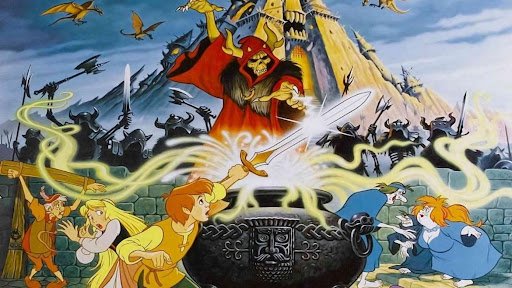
“Come, Graymalkin!” The line holds an eerie shimmer like the dark animated films from the late ’80s-90s. They’re threaded with folk magic, shadowy forests, grotesque little jokes, and a touch of menace too sophisticated for their intended audience. See The Black Cauldron (1985) promo image above.
At its core, Macbeth is a play of tonal whiplash: ragged prophecies delivered on a blasted heath, followed moments later by a drunken porter cracking bawdy jokes at the castle gate; flashes of supernatural spectacle punctuating long, politically anxious speeches; strange bursts of color — torches, blood, banners — interrupting Scotland’s fog. Shakespeare’s tragedy is not one clean descent but a jittery collage of horror, comedy, and moral vertigo. It behaves less like stately history and more like early camp horror, the kind that delights in theatricality while letting the uncanny slip in through the seams.
Living inside a haunted world
Kubrick understood that texture instinctively. Where Shakespeare used rhetorical shifts, Kubrick used décor, framing, and the rhythm of movement through space. His haunted world is not a set of plot devices but an environment you live inside. The Overlook behaves like a theatrical stage expanded to architectural scale: carpets in impossible colors, hallways that seem to inhale and exhale, sudden intrusions of grotesque comedy (the man in the dog suit, the relentless cheer of the bar), all arranged to make the viewer feel not that they are watching a haunted hotel, but that they have been quietly checked into one.
The rules of realism loosen and tighten at odd intervals, like in Macbeth, and that playfulness with tone is what gives both works their durability. Horror becomes a lens, not a genre: a way of understanding mood, memory, and the fractures in our perception.
Maybe that’s why Room 237 — Rodney Ascher’s documentary built from the voices of Kubrick theorists who never appear onscreen — has become my favorite documentary. I rewatched it last night, and it still carries the same strange, absorbing quality it had the first time. The film allows you to wander back through Kubrick’s environments, touching the walls, following the impossible geography, noticing small shifts in color and continuity the way a guest might sense a draft in a sealed room.
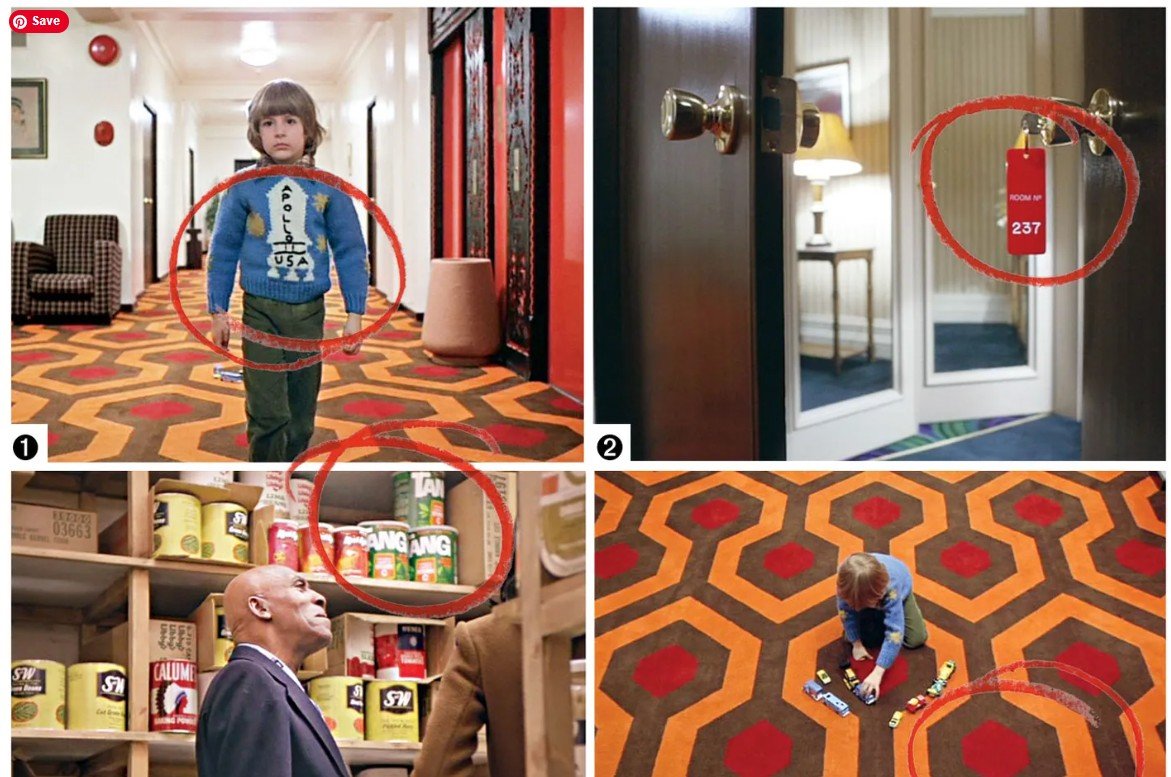
The disembodied commentators move through those spaces like resident spirits — guides who never quite manifest — letting their interpretations drift between the improbable and the unexpectedly revealing. Their voices echo over long, immaculate stretches of footage from The Shining, Eyes Wide Shut, and Kubrick’s earlier films, until the documentary begins to feel less like analysis and more like haunting. For anyone attuned to Kubrick’s sensibility, the film’s rhythm settles in quietly, as if it has been waiting for you to return.
The rooms we return to
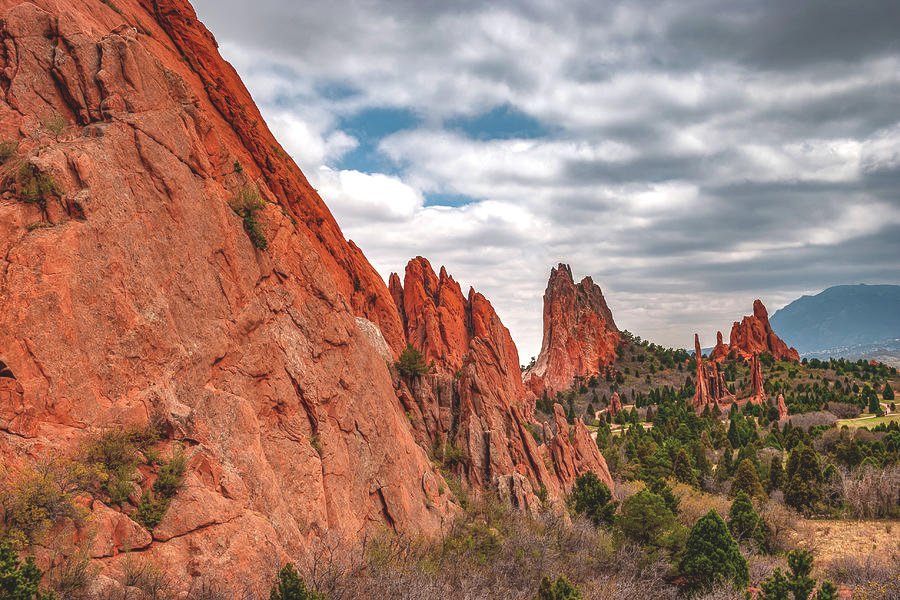
Last month, I wrote about my mother’s attempt to buy a small business and acred property just outside the Black Canyon of the Gunnison : one of those rare corners of Colorado that feels both remote and instantly magnetic. I connected to the land far more quickly than I expected: the stillness, the open sky, the way the air cools as the canyon drops away. I had already begun imagining the winter there — skiing Telluride on weekends, learning the slower rhythms of the towns tucked into that landscape.
We were set to arrive on Halloween. The timing gave the whole experience a kind of playful electricity, packing boxes, sketching out plans, and sensing that faint atmospheric tilt that comes right before entering a new story. It had the early-Shining quality of anticipation rather than dread, a sense of stepping into a place that felt both familiar and a little uncanny.
Then the government shutdown halted the federal paperwork the sale depended on, closing the door as abruptly as it had opened. When I watched Room 237 again last night, the footage from The Shining carried the kind of clarity that only arrives after you’ve witnessed something life-altering, like J.K. Rowling’s moment in Harry Potter and the Order of the Phoenix, when Harry suddenly sees the thestrals, creatures that had been there all along but invisible to him until he had witnessed death.
Symbolic doorways and ruptures
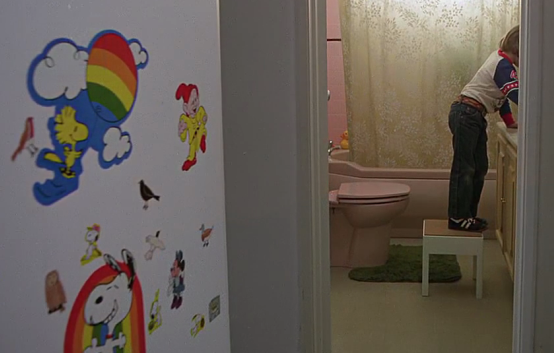
In Room 237, the documentary hinges on a small but important thematic arc: the shift from Danny’s innocence to his initiation. One narrator lingers on the Dopey Disney sticker on Danny’s bedroom door — “he’s ignorant, or a dope” — marking the before moment of a child who hasn’t yet been shown the world’s darker layers. Later, when Tony, Danny’s finger and his inner voice, reveals the vision of blood pouring from the Overlook’s elevator doors, everything changes. That image becomes the after: the moment when he is forcefully given knowledge, or a new reality, that he can’t return from.
Tellingly, the Dopey sticker quietly disappears by the time his worried mother and the pediatrician sit discussing his strange behavior — its absence a small but unmistakable sign that the threshold has been crossed.

Something the Stephen King book captures better than the film is the Overlook as a wind-up mechanism of its own, part snowglobe, part labyrinth. Danny’s presence doesn’t just perceive the hotel; it activates it, winds it into motion. Kubrick gestures toward this in his opening aerial shot: a benevolent, almost angelic vantage point following the car through the mountains, as if some unseen witness is watching over Wendy and Danny as they approach a building already preparing itself.
Colorado’s unquiet ground

Environments and landscapes are living things. They hold competing interpretations, overlapping needs, and layers of history that rarely agree with each other. Kubrick understood this instinctively. In The Shining, he suggests the repressed and the grief-stricken without accusation, introducing the violence beneath the Overlook, including the history of Native genocide and displacement, not as a lesson but as an atmosphere. He allows the viewer to slip into the world as a local might: aware of something unsettled beneath the surface, but also aware of the beauty and strangeness that coexist alongside it. From what I’ve read, Kubrick learned things while researching in Colorado that stayed with him and haunted him, difficult histories that reframed the landscape in ways he didn’t expect.
I’ve only scratched the surface of that material myself, but I understand the feeling: how the trauma embedded in a place can be almost drowned out by the sweep of desert sky, the brightness of high-altitude light, the resilient life of the region. For Kubrick, the Overlook wasn’t just a set. It was a door to secret knowledge, and stepping through it was its own kind of initiation, as horrifying as it was illuminating.
Erasing the image, losing the memory

I’ve long questioned the wisdom of removing Native American imagery — especially Native-produced brands and symbols — from public view, whether in sports or on packaging. Erasure solves nothing; it tears something vital away from cultural memory. We lose an opportunity for shadow work, for reckoning with dark heritage, when we strip away the images that remind us of the histories beneath our feet. Symbols need room to exist in a neutral space so they can be understood, not feared or hidden. Without that, we risk weakening our collective imagination, and our ability to remain mentally healthy in the face of the past.
Colorado has always complicated these questions for me. It is one of the few places where I feel the beauty of horror without flinching, where the land itself teaches you how to hold darkness and radiance at the same time. The high desert has a way of making even grief look illuminated: red rock catching fire at sunset, abandoned mining sites dissolving into wildflower meadows, old histories rising and fading in the same breath.
Each time I’ve lived near or traveled through Colorado, I’ve felt that double vision settle in — the sense that a place can be breathtaking and wounded at once, and that my role is not to sanitize that tension but to sit with it. Horror, in its best form, does the same thing: it lets the truth stand in its full shape, neither prettied up nor pushed away. Maybe that’s why I return to The Shining so often. Its terror is threaded with beauty, and its beauty refuses to hide the cost of what it remembers. Colorado feels like that too: a landscape that insists on being seen whole.
Leave a Reply
Born Into a Spoiler Alert: Notes from a Macbeth Descendent
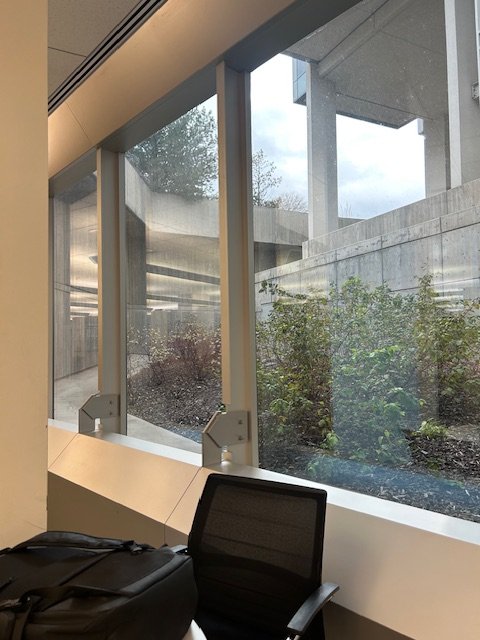
Today is December 7th, 2025, the day after my mom’s and brother’s birthdays and I’m back in one of my favorite places: the Marriott Library. I got my lucky spot, the exact one I used to sit in, like it had been waiting for me. In terms of lucky coincidences, things like this happen more than they should.
My mom used to say, “A golden cloud follows you around.” However, other sayings exist too, like: “She’d lose her head if it wasn’t attached to her body.” The combination captures the polar quality of my luck — weirdly good and then a pendulum swing to weirdly bad.
Before I get too far into family legends, I keep thinking about a recent piece I wrote — “Fairytales We Tell Ourselves: The Utah Pantages Theater and Ingmar Bergman’s Persona” — and about my friend Michael Patton, who works under the name Michael Valentine. Michael is a direct descendant of General George S. Patton, a fact he acknowledges with a mix of irritation and resignation. He chose “Valentine” as a protest against war culture, a way of stepping sideways out of the mythology he inherited.
Good luck / bad luck: growing up in the shadow of “Greats”
It hit me while writing that earlier essay that both Michael and I grew up with blood-soaked ancestors — his, the general who carved his way through Europe; mine, the doomed Scottish king whose story ends in a battlefield death every time it’s told. There’s an odd magic to that, the kind that looks enviable from a distance but comes with expectations no one volunteers for. Patton and Macbeth: two figures shaped by violence, ambition and myth — men who loom so large that their descendants end up negotiating not just lineage, but full-fledged Western narratives.
In the Pantages essay, I wrote about how spaces like that theater hold our personal myths in place — how they give people like Michael and honestly people like me, a place to set down the stories we inherited and pick up new ones. The demolition of the Pantages in 2022 felt like a symbolic rupture: a place where stubborn idealists once found refuge was flattened and with it went the kind of civic imagination that makes room for oddball lineages and myth-haunted people.
All of this is to say: some of us are born into stories much louder than we are. You spend your adult life deciding which parts you’re willing to keep.
Call me Locks: Lady Macbeth was my grandmother!
All the relatives on my mom’s side are McBeth or MacBeth or some variant of the name. The eccentric streak runs deep enough that the spelling seems to shift with personality, era of life or whatever the family mood was at the time. You can see the whole taxonomy laid out in the Payson, Utah graveyard where my ancestors are buried.
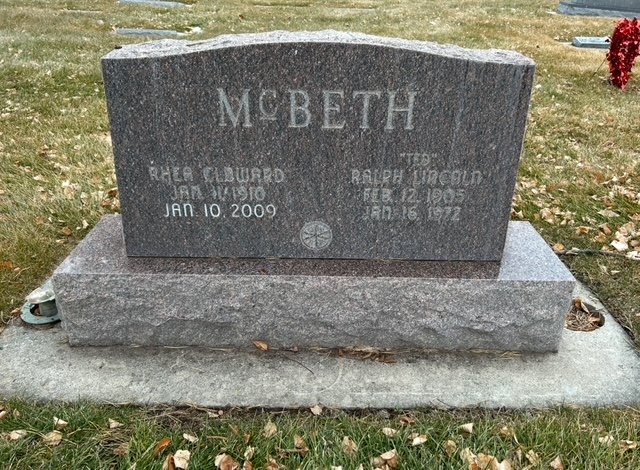
It’s always interested me that some cultures routinely give their kids names tied to frightening or controversial figures. Not because people secretly want a little villain in the family, but because naming a child something heavy forces them to reckon with it early. Kids will tease them, question them, make them explain it long before they’ve even learned the history behind their own name. Maybe that’s the point: you get all the shadow-work done in childhood. You learn early not to flinch at darkness, not to identify with it. Sometimes you even outgrow the propensity for villainy before you’ve had a chance to try it on.
Maybe because of that, I always had a low, reflexive cringe around the overbearing, over-ambitious persona of Shakespeare’s Lady Macbeth. When I lived in Cambridge, I’d occasionally end up in small Shakespeare chats with baristas or grocers and some of them made truly awful faces when the play came up. I’d laugh and tell them I didn’t actually read it until college — and did end up liking it — but for a long time I avoided English literature altogether because it felt too on-the-nose; almost like declaring myself an English major would read as a horrible gimmick.
And yet, despite all my attempts to outrun the melodrama of the name, I somehow drifted straight into the territory I thought I’d avoid — history, archives, Scotland, the whole ecosystem of stories that orbit the Macbeth myth. It’s ridiculous, but also very “family legacy” in the mythic, Oedipus kind of way: the more you sidestep something, the more directly you walk into it.
Because of that, I have a deep sympathy for celebrity kids and for anyone saddled with a complicated or suddenly loaded name. Think of people named Isis, who now share their name with a terror organization or girls named Katrina who were born before the hurricane. In the era of the internet, your name becomes a label that precedes you everywhere, a magnetic force field you never asked for. While I love memes and jokes and occasionally peeking into gossip culture, I have a complicated relationship with what it means to be defined — lightly or heavily — before you even arrive.
The worst cringe I’ve ever felt
Perfectionists learn to metabolize embarrassment early. You practice smoothing over mistakes, pretending nothing happened, moving on. Yet as you get older and more competent, the mistakes grow sharper teeth. They wait for you in the places you least expect, like tiny traps set by the universe just to keep you humble.
I loved ancient languages and museums, so I applied for a master’s with the full, naïve conviction of someone who has no backup plan. I didn’t scatter applications across a dozen programs; I chose one, gave it everything and hoped. Getting accepted was one of the happiest moments of my life. Even with the bare-minimum funding, I packed up and moved to England in 2013 with a kind of reckless gratitude. I had arranged a student room, memorized the streets on Google Maps and rehearsed my own arrival like it was a scene in a film.
Before I got there, the university assigned me my email and login credentials. Seeing the “@cam.ac.uk” address made everything feel both official and impossible. There I was: walking off the train dragging my 80lbs suitcase over the uneven pavement, unlocking the rented room I’d only ever seen on a screen and feeling — briefly, miraculously — like the version of myself I’d always hoped I would become. Even the silence of the first night, sitting on the narrow bed with the radiator clanking to life, felt like prophecy coming true.
I glanced at the autogenerated email username; apparently, there were quite a few students with my initials who came before me — so many shoes to fill! I thought. The number embedded in my unique Cambridge identifier was the number 33. I like multiples of 11. November baby. Grew up near 3300 South and St. Mark’s Hospital (I almost got a winged lion tattoo; maybe I still will). This gemmatria-esque-hippie-numerology detail registered as a tiny wink from the universe; everything is sure going my way, I thought.
For weeks, I floated. I went to induction sessions, bought my first British groceries, tried not to look like an overwhelmed American. I signed emails automatically with my new Cambridge address, barely thinking about the random “33” tacked onto it. It was just another institutional quirk, like the fact that no one ever explained how the dining hall seating worked.
Then — months later, at the Hughes Hall bar, half-drunk with a pack of French classmates — the brakes hit. Someone asked a simple question about how Cambridge generates its usernames. I answered without thinking, rattling off mine and mentioning the “33” as casually as noting the weather. The reaction was immediate. A full-body groan from one side of the table. Explosive laughter from the other. Someone actually slid off their chair.
Only then did they manage to explain to me — between gasps — that “33” is used as a white supremacist code. And that “HH,” the abbreviation for Hughes Hall, is another one. I stared at them while they howled with the kind of laughter that makes strangers turn around. I was actually holding back tears of horror.
I replayed every email I had ever sent. Every form submitted. Every professor addressed. Me, earnestly signing off with a digital calling card that, out of context, looked like a secret handshake with the worst people alive. It was the purest cringe of my adult life. Thankfully, Cambridge changes your email when you graduate. I shed the cursed numerology and emerged simply as hannah.mcbeth. A clean slate; a merciful reset.
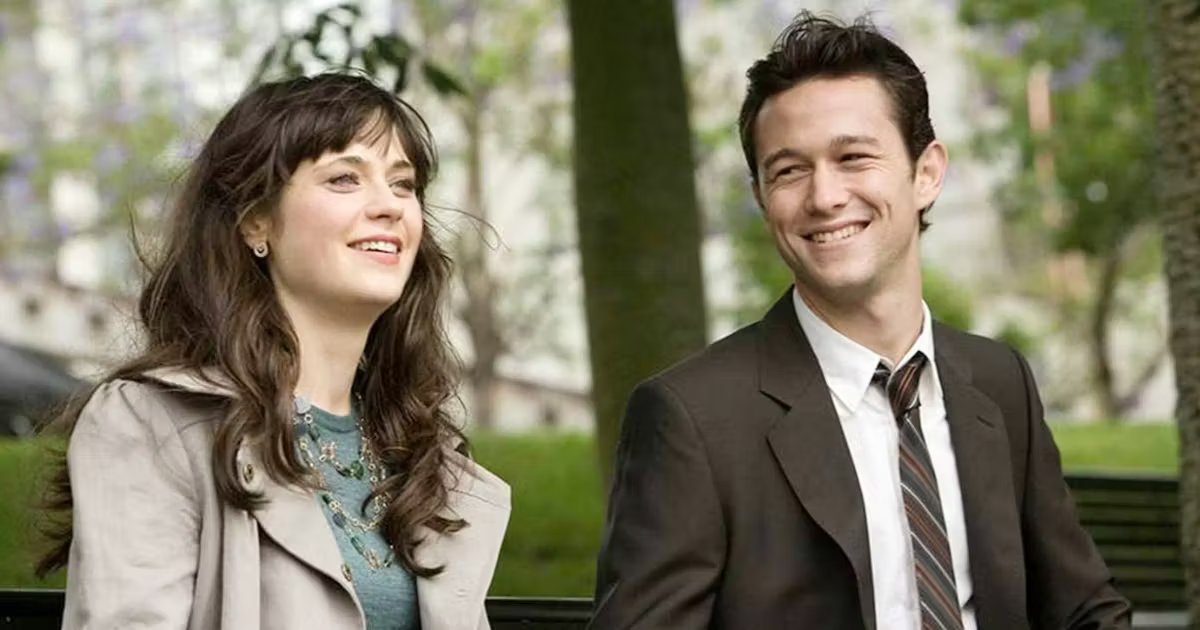
In one of my favorite films 500 Days of Summer, Joseph Gordon-Levitt’s character asks Summer (played by the immortal Zooey Deschanel) if she ever had a nickname in school. She deadpans: “They called me Anal Girl because I was so neat and tidy.” He spits out his drink.
I think “Hitler Girl” might even be worse.
On luck, names and everything we don’t choose
Sitting here today in my old lucky spot at the Marriott Library, I keep thinking about how wildly inconsistent luck can feel when you grow up inside a name, a story, a family mythology you never exactly signed up for. Some people inherit money or land or a family business; others inherit legends, curses, punchlines or — if they’re especially unlucky — an email address that accidentally signals extremism. The older I get, the more I realize the shape of your inheritance matters less than the way you learn to carry it.
Some of us get the blood-soaked ancestors, the melodramatic surnames, the oddball reputations that precede us into rooms. Some of us get the tiny mortifications that knock the wind out of us in foreign bars. Some of us, if we’re really paying attention, also get the golden-cloud moments — the quiet return to a library desk that feels like a portal back to the versions of ourselves we’ve been building, fleeing, reinventing for years.
Maybe that’s the real trick of growing up in the shadow of “greats,” whether real or imagined: eventually you stop trying to outpace the story and start editing it. You keep the parts that still feel alive, you leave behind the parts that were only ever projections and you learn to laugh — properly, deeply — when life hands you the kind of cringe you’ll be telling forever.
Names, myths, coincidences, curses, blessings: they all get folded into the same narrative eventually. Somehow, here I am again, in December light, at the desk that always seems to be waiting for me — proof that sometimes the pendulum swings back toward the good, weirdly and without warning, just when you need it most.
Leave a Reply
When Logic Leads to Nonsense
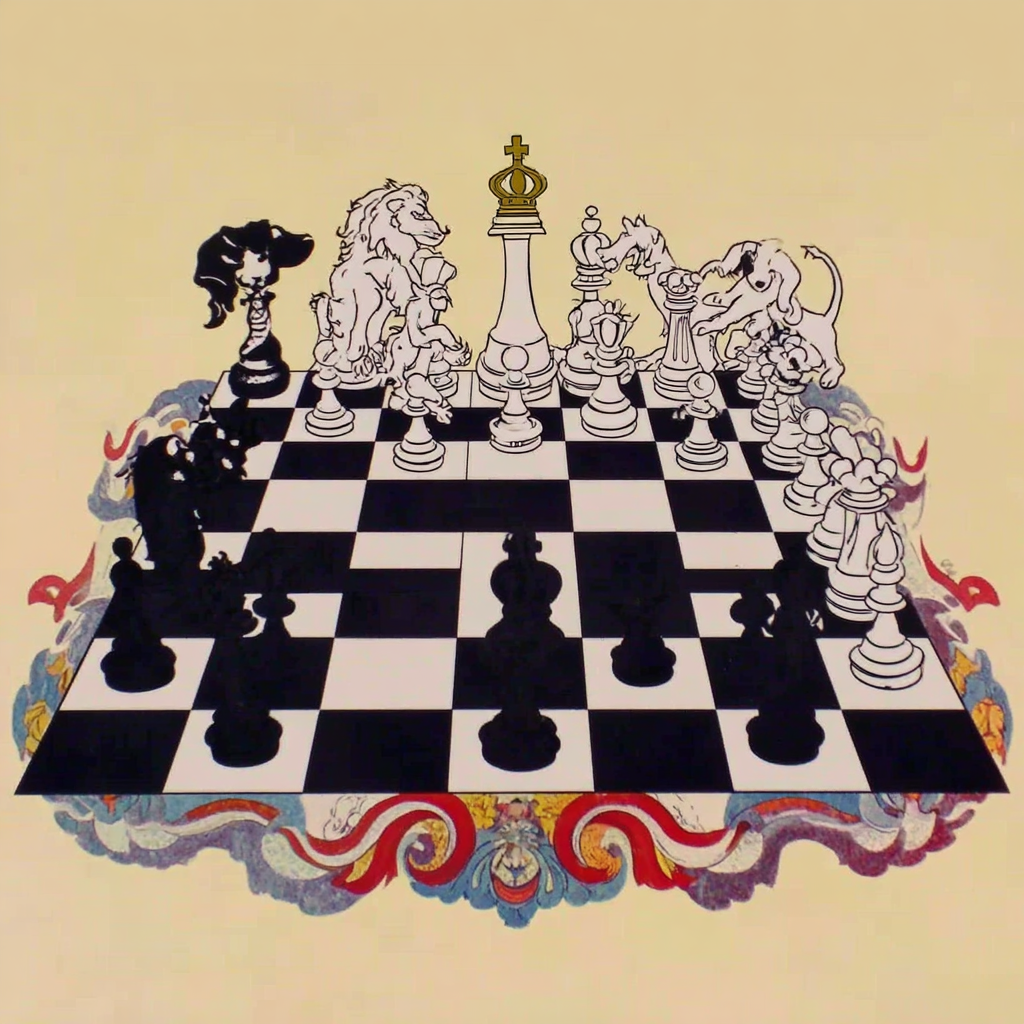
When my brother gave me a Raspberry Pi one Christmas around 2010 — a palm-sized computer meant to teach beginners how to code — I’d been studying Greek and Latin for several years at the University of Utah. By that point, I was deep into intermediate courses in the Department of Languages & Literature that ended up reorganizing how I thought.
I was lucky to have professors whose passion for ancient languages shaped me — Professor Randy Stewart, Margaret Toscano, and Jim Svensen among them — each offering a different way of thinking through a text, a question, or a problem.
Those years were quietly training my mind to think in structures — patterns, contrasts, paired ideas. So when I finally opened the Raspberry Pi tutorials later that winter, the logic didn’t feel new at all. It felt like something I had already learned in another language.

The History of Philosophy Without Any Gaps Podcast: Get a free, world-class philosophy education (click image).The old logic behind new machines
When I sat down over winter break and started the tutorials, what stood out immediately was the clarity of the structure. The if/then statements and small branching choices that guide a program forward followed the same logical architecture I had been working through in Greek. The μέν / δέ construction — literally “on the one hand / on the other” — sets up a two-part contrast that divides an idea into paired alternatives. Aristotle uses this same structure when he lists the basic contraries of nature, “τὰ ἐναντία, οἷον θερμὸν καὶ ψυχρόν” (“the contraries, such as hot and cold,” Categories 11b15). In its simplest form, it is a binary: a choice between two structured possibilities.
The same pattern appears in conditional moods like εἰ with the optative or ὅταν with the subjunctive, which sketch out hypothetical paths depending on whether a condition is or is not fulfilled. Basic programming follows the same logic — not metaphorically, but mechanically — moving forward only through a chain of divided possibilities.
Greek philosophy forms the underlying structure of what later becomes formal logic, and formal logic becomes the foundation of every programming language. Aristotle writes in the Organon that “τὸ δὲ ἀληθές καὶ ψεῦδος ἐν τῇ συνθέσει καὶ διαιρέσει ἐστίν,” meaning that truth and falsity arise from how things are combined or separated (De Interpretatione 16a10–12). A statement is true or not true. A branch is taken or not taken. Binary computation inherits this exact principle: a system advances only by dividing itself into twos.
That same twofold pattern — opposing yet coordinated pairs — shapes more than syntax or algorithms. It echoes through our bodies, our senses, and our movement. Once you begin looking for twoness, it becomes difficult to ignore how deeply it structures the world.
Heraclitus and the unity of opposites
- Unity of opposites: For Heraclitus, what we call “opposites” are inseparable partners. Day implies night, heat implies cold, and each gains meaning only through the contrast with its counterpart.
- Mutual dependence: Opposing states are not truly independent; they arise together. A shadow needs light to exist. Neither element stands alone without the other defining it.
- Cosmic tension: Heraclitus saw conflict as the driving force of the world. His line “War is father of all” suggests that struggle is not destructive but generative — the tension that keeps reality moving.
- Harmony from strain: Balance emerges through opposition. He compared this to a bow or a lyre, where beauty and function come from forces pulling in opposite directions. A single object can hold contradictory qualities, as when he said a bow’s name “is life, but its work is death.”
- The logos: Underneath all change is the logos — a rational, ordering principle that holds opposites together. For Heraclitus, the world’s constant flux isn’t chaos but the expression of a deeper coherence.
- Perspective and flux: What look like strict oppositions are, from a broader perspective, variations of the same underlying reality. Everything is in motion, and opposites are simply different phases of that movement.
Heraclitus wrote these ideas not as abstractions but in sharply compressed, poetic fragments that still read like koans. Two of the most famous capture the tension at the heart of his philosophy:
Heraclitus: original Greek fragments
Fragment DK B53
πόλεμος πάντων μὲν πατήρ ἐστι, πάντων δὲ βασιλεύς,
καὶ τοὺς μὲν θεοὺς ἔδειξε τοὺς δὲ ἀνθρώπους,
τοὺς μὲν δούλους ἐποίησε τοὺς δὲ ἐλευθέρους.“War is the father of all and king of all; it reveals some as gods and others as humans;
it makes some slaves and others free.”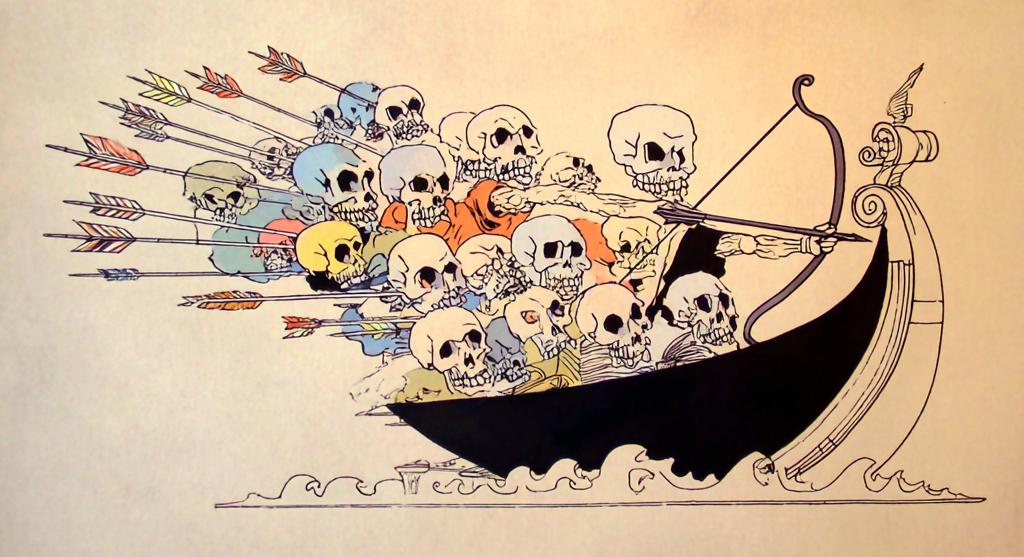
Fragment DK B48
τοῦ τόξου ὄνομα βίος, ἔργον δὲ θάνατος.
“The name of the bow is life, but its work is death.”
That same binary skeleton — true/false, hot/cold, on/off — turns out to be more than a linguistic habit. It is built into how our bodies are assembled and how we move through the world.
The number two (body, symmetry, anthropology)
Human bodies are built on bilateral symmetry: two eyes, two ears, two nostrils, two hands, two lungs, two sides of the brain, and two chambers on each side of the heart. Even our upright posture depends on the coordinated tension of paired muscle groups pulling against and with each other. Anthropology doesn’t treat this twoness as decorative; it sees it as the direct inheritance of the moment early hominids shifted from moving on four limbs to balancing on two. Bipedalism is the hinge that changed everything: the way we balance, the way we allocate energy, the way childbirth works, the risks our joints face, and even the shape of our social world.
When I was at Cambridge, I had friends at Darwin College who were deep into paleoanthropology, and they treated upright walking with a near-religious seriousness. It wasn’t just another evolutionary detail. It was the event that set the entire human project in motion. The spine reorganizes, the pelvis narrows, the hands are freed, the skull rebalances, and suddenly you have a creature who sees differently, moves differently, and eventually thinks differently. Once you understand this pivot, the presence of twoness — paired structures, paired functions, paired risks — feels inevitable. It is written into the architecture of our skeletons long before it becomes a mental model.
The price of walking on two legs
Years later, I found myself on the freelance writing beat, assigned a run of podiatry and hip-replacement articles meant to boost the SEO of medical providers around Indianapolis. Every surgeon I interviewed confirmed what Darwin friends had said in a more theoretical way: hip deterioration isn’t a personal failure, and it isn’t a matter of lifestyle or luck. It is the predictable outcome of balancing an entire species on two load-bearing joints that were never designed for the workload we ended up giving them.
Those interviews made the anthropology lectures I’d overheard at Cambridge concrete. The same evolutionary shift that freed our hands for tools, expanded our range of travel, and eventually supported the development of complex intelligence also introduced a mechanical weakness at the heart of our locomotion. The story of bipedalism is often told as a triumph — a leap toward cognition, migration, coordination — but the body keeps the receipts.
We owe our cognitive advantages to the moment an early hominid stayed upright. The posture that enabled tool use and expanded our vision also concentrated movement into two joints with no evolutionary precedent for the load. The trait that ensured our survival is the same one that produces our most ordinary physical failures. Twoness isn’t just symmetry — it’s the fault line that shows what evolution gave us and what it demanded in return.
Our symmetry, our fault line
Twoness doesn’t just shape our bodies and reasoning; it shapes how we behave together. The same circuits that keep us balanced on two legs make us responsive to mirrored movements, call-and-response patterns, and the emotional force of acting in unison. Marching, chanting, clapping in time — these are not cultural accidents but binary loops built into our motor system, toggling between left and right, tension and release. Once a group falls into that rhythm, the pattern becomes its own logic.
Chanting and hypnosis draw on the same ancient circuitry. Give the brain a simple back-and-forth — two beats, two states, two breaths — and it begins to fall in step. Mantras, pendulums, spirals: each works by narrowing attention until the mind stops negotiating and simply follows the rhythm. Argument requires effort; repetition requires surrender.
The politics of on/off thinking
After you notice how easily the nervous system locks into simple patterns, it becomes impossible not to see the same mechanism at work in politics. Modern discourse relies on binary shortcuts — safe/dangerous, credible/not credible, mainstream/conspiracy — that act less like judgments and more like switches, letting people sort ideas without confronting their complexity. The same twoness that keeps us walking in rhythm also makes us think in rhythm, repeating whatever categories the culture provides.
Nowhere is this clearer than in the way “conspiracy” is used as a reflexive dismissal. What began as a descriptor has hardened into a kill-switch that ends a conversation before it starts. The irony is that many political narratives function exactly like the conspiracies they condemn: tightly plotted stories with villains, destinies, and sweeping explanations of how the world works. Because they come from the in-group, they’re not seen as conspiratorial — only as truth.
Once thought collapses into these two poles, the space between them fills with the logic the binaries can’t hold. Cognitive dissonance becomes comfortable; contradictory beliefs can sit side by side because the structure itself absorbs the tension. This is where Lewis Carroll becomes oddly useful: a world of paradox and nonsense emerges whenever a system insists on being too simple for the reality it claims to explain.
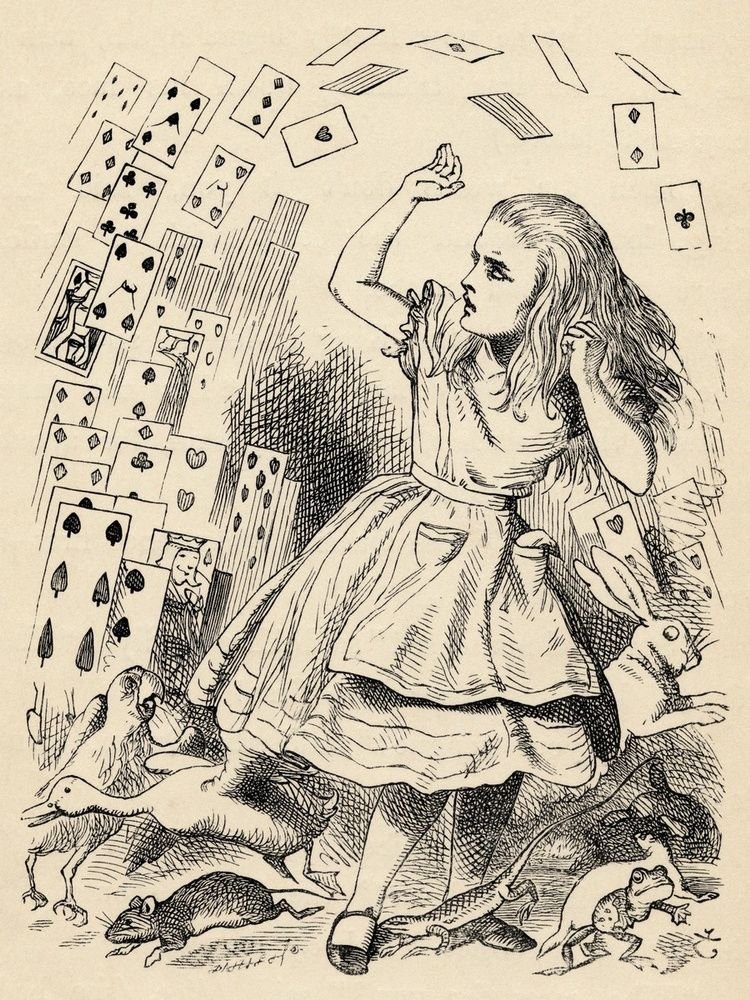
This collapse also betrays the Greek intellectual tradition we inherited. Aristotle built logic on distinctions, conditional reasoning, and hypothesis — provisional thinking, not reflexive dismissal. Yet in contemporary language, “conspiracy theory” has swallowed the entire category of hypothesis, as though an unverified idea were a moral offense. Binary logic — true/false, one/zero — was always meant as scaffolding, not a worldview. When a culture mistakes the skeleton for the full structure of thought, it loses the ability to evaluate ambiguity, early theories, historical analogies, or anything that resists instant classification. The binary does the sorting, and the mind stops doing the thinking.
Lewis Carroll understood better than almost anyone that a system built on rigid binaries eventually exposes its own absurdities. Long before Alice’s Adventures in Wonderland became a cultural shorthand for surrealism, Charles Dodgson — the Oxford mathematician behind the pen name — was publishing work on symbolic logic, syllogisms, and paradox. His Symbolic Logic (1896) and earlier papers demonstrate a meticulous mind fascinated by how small errors in reasoning can warp an entire system. Wonderland is not chaos for its own sake; it is what happens when logic is followed so strictly, or so literally, that it loops back into nonsense.
In Alice’s Adventures in Wonderland (1865) and Through the Looking-Glass (1871), Carroll builds worlds where binary categories are stretched until they break. Things are and are not. Directions reverse themselves. “Up” and “down” become interchangeable states, not opposites. The Cheshire Cat can disappear until only its grin remains — an ontological joke about predicates without subjects. The White Queen believes “six impossible things before breakfast,” a line that functions as both whimsy and a critique of anyone who treats belief as a binary rather than a spectrum. The Red Queen’s rule — “it takes all the running you can do to keep in the same place” — captures the experience of a system that moves but does not progress, a perfect metaphor for political discourse stuck between two immovable poles.
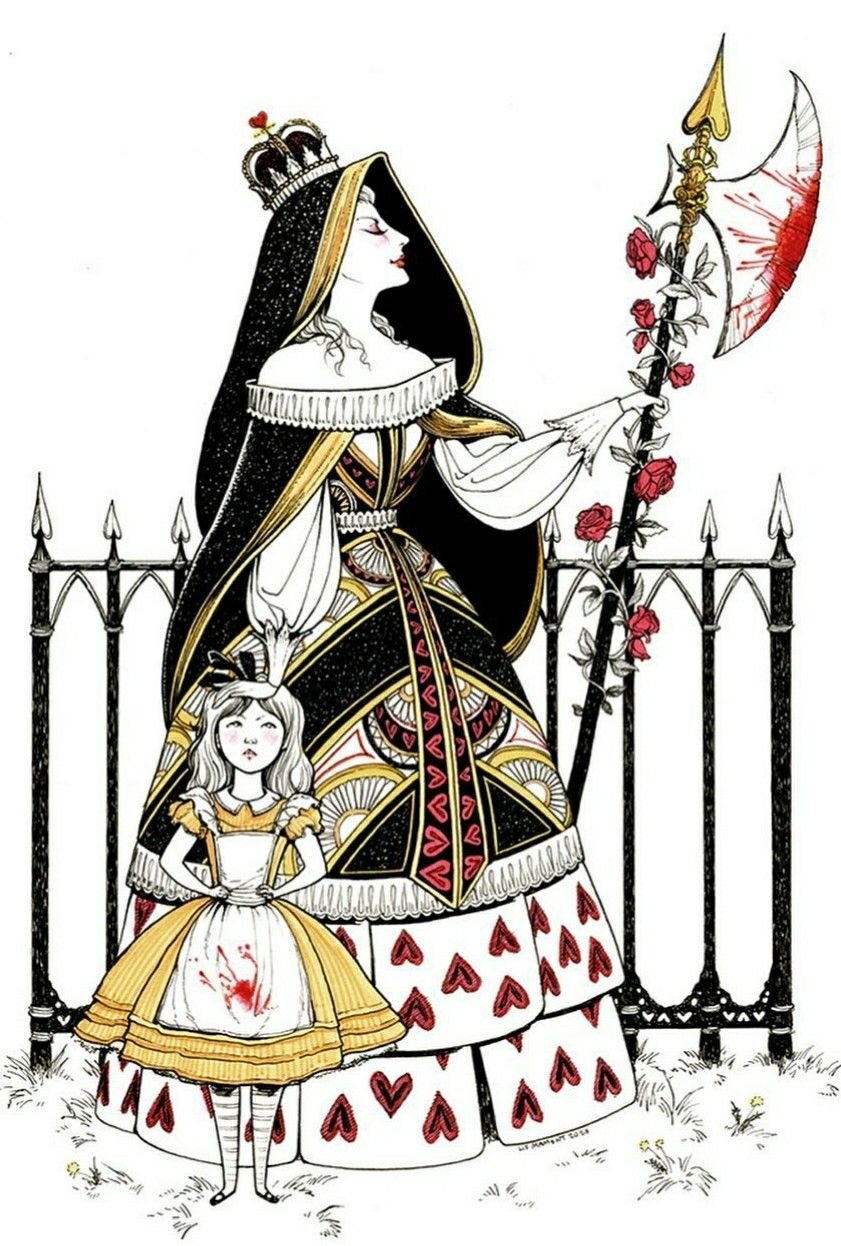
Carroll’s most explicit engagement with logical failure appears in “What the Tortoise Said to Achilles” (1895), a short dialogue published in Mind, in which the Tortoise exposes a paradox at the heart of deductive reasoning. Achilles presents a simple syllogism, but the Tortoise refuses to accept the conclusion unless each inferential step is itself turned into a new premise — and the regress never resolves. It’s a demonstration of how a system built too rigidly on formal logic can collapse under its own structure. The reader is left with the uncomfortable realization that logic alone cannot force acceptance; something extra-logical — intuition, agreement, shared understanding — must step in. In other words, even the most orderly systems need a space outside the binary.
This is precisely why Carroll is the perfect guide for understanding the weird cognitive zone between political binaries. Wonderland is not absurd because it lacks rules; it is absurd because its rules are too strict. It is a world where binary reasoning — true/false, big/small, sense/nonsense — applies cleanly until reality complicates it, and then everything fractures. Carroll shows how quickly a mind can grow comfortable with contradictions when it is forced to operate inside a framework that cannot accommodate nuance. When Alice asks questions that the system can’t process, she is told that the refusal to accept nonsense is the real problem.
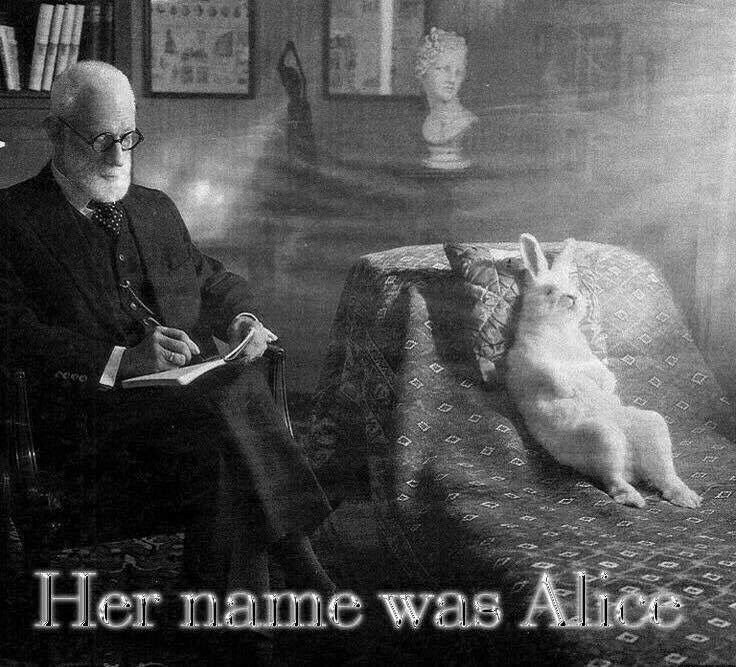
In this way, Carroll anticipated a psychological pattern we can see clearly now: when a culture demands that people choose between two fixed narratives, all the discarded reasoning, inconvenient evidence, and unapproved hypotheses get pushed underground. They don’t disappear; they accumulate. They form a Wonderland of their own — a space where banned questions go, where contradictions coexist without resolution, where the logic cast out by the binary finds a strange new coherence. This is not chaos from the absence of structure; it is chaos produced by too much structure, the way a poorly written program enters an infinite loop not because it is disordered, but because it is too rigid to escape itself.
Carroll’s work suggests that nonsense is not the opposite of logic. It is what happens when logic is applied beyond its natural limits — when the world’s complexity is filtered through an on/off switch that cannot register anything in between. And this, ultimately, is why so much modern discourse feels like Wonderland: not because people are irrational, but because they are using a system of reasoning that is far too simple for the problems they are trying to understand.
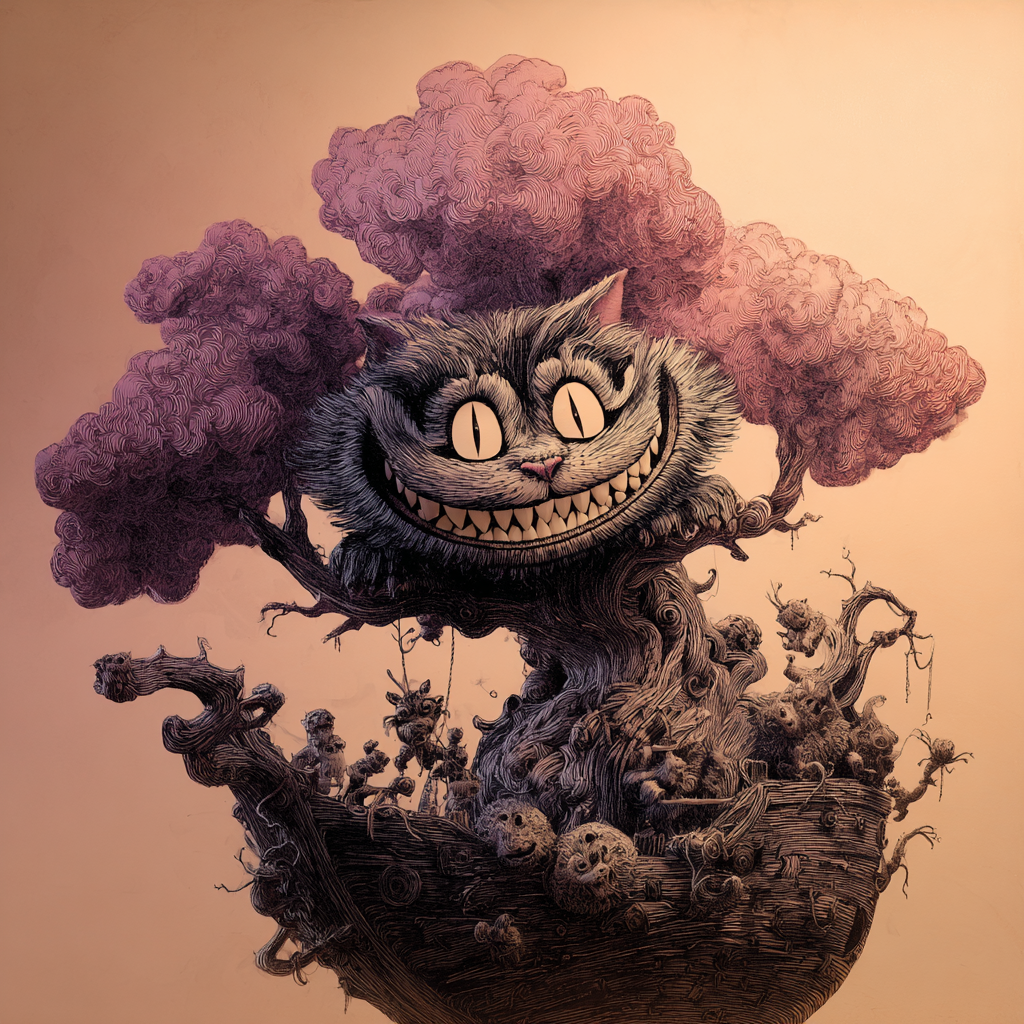
Conclusion: the limits of two
If there is one lesson that ties all of this together — from Aristotle’s conditional clauses to the symmetry of our skeletons, from bipedal strain to political slogans, from the pendulum’s swing to Alice chasing a vanishing grin — it is that binary systems are powerful precisely because they are simple. They help us walk, breathe, chant, categorize, and compute. They let us build machines that reason, or at least perform something close enough to reason that we mistake it for intelligence. But the simplicity that makes binaries so efficient is also what makes them dangerous. They tempt us into believing that the world itself runs on clean divisions: true or false, safe or unsafe, credible or conspiratorial.
In reality, most of what matters lives in the space between. Hypotheses, early-stage ideas, historical analogies, political comparisons, uncomfortable intuitions — these are all fragile forms of thinking that require room to unfold. When a culture collapses everything into two poles, it doesn’t eliminate complexity; it just forces complexity underground, where it mutates into confusion, contradiction, or the kind of nonsense Carroll understood so well. A binary system can tell us whether a statement fits within its parameters, but it cannot tell us whether the parameters are adequate to the world.
To recognize this is not to abandon logic, but to remember what logic was originally for: to help us refine our questions, not silence them. Aristotle left room for uncertainty; Heraclitus insisted on flux; Carroll exposed the absurdity that appears when rules overreach. Even our own bodies, balanced precariously on two legs, remind us that evolution is not a clean progression but a series of trade-offs. Twoness is part of us, but it is not all of us.
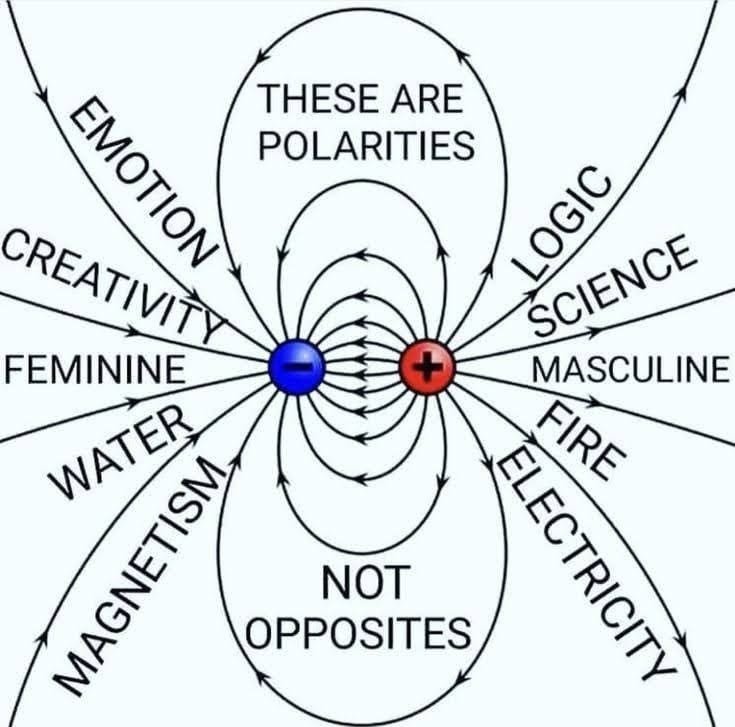
We outgrow binaries not by rejecting them, but by seeing their limits. The mind becomes freer the moment it notices when the switch has been flipped on its behalf — when “conspiracy theory” is being used as a way to end thought rather than begin it, when a comparison is dismissed before the reasoning can be heard, when an idea is forced into a category too small to contain it. The world is irreducibly complex, and any system that insists otherwise will eventually turn itself inside out, like Wonderland following its own rules to the point of absurdity.
If there is a way forward, it begins where the binary ends: with the willingness to let a thought be unfinished, a theory be tentative, a question be unsettling. The space between two poles is not a void. Binaries are tools; problems arise only when we mistake them for reality.
Leave a Reply
Locks’s Glass Onion
 My college room at the University of Utah, 2010
I’ve had a long and multifaceted relationship with the Beatles and nothing makes me happier than talking through the songs themselves: which ones people love, which ones people genuinely hate and why. It’s one of my favorite conversations to have, “full stop.”
People attach themselves to certain tracks for reasons that feel almost archaeological — childhood car rides, the first chords they learned, the moment they realized music might shape their lives. Those memories stack up until the songs become part of their own record. The Beatles’ catalog turned into both an American time capsule (sorry Brits) and a global one, familiar to people who grew up oceans apart.
People who can’t stand the Beatles reveal something too and the force of that dislike is part of the story. The hard rejection, especially among millennials and the generations that followed, comes with its own code: nose-upturning at “pop music,” purity tests, the need to stand outside whatever feels canonical.
I. Domestic universe: from “Octopus’s Garden” to Ram
I grew up in a small world of homeschooling circles, Montessori classrooms and public libraries where children’s music was having a moment. Raffi was part of a larger movement of artists making development-focused songs meant to nurture curiosity and imagination. “Banana Phone” became my personal toddler theme song because my real name rhymes with Banana (also “like Montana”).
“Octopus’s Garden” and “Yellow Submarine” were kid songs and the question coming out of the 70s was “Why wouldn’t you write songs for kids?” They had the playful, bright, imaginative spirit, geared toward building inner worlds. At library singalongs, Beatles tracks lived right next to “Baby Beluga.”
It was a childhood inside the progressive Left and no matter what I think about how politics in the US has devolved, I still know exactly where the grandmas from Vermont and the aunts from the suburbs of Colorado made their core memories. The Beatles were folded into that, aligned with the softer, idealistic side of the 1960s that suburban liberals still cling to and think is compatible with the LGBTQIA+ movement (lol).
 I pretty much dress like this to this day.
There are cultures, especially in Italy and South America, where the domestic world of mothers and children is treated as a sacred space — a universe of Marian art so beautiful it can move you to tears when you see the sculptures at the center of French, Italian, or Spanish cathedrals.
In the United States, this world is often mocked or dismissed and I’m positive that this cultural disdain is reflected in the growing language erasure around motherhood. I sometimes think the fiercest Beatles hate comes from people who never felt at home in that early domestic universe of bright colors and snotty-nosed kids at singalong: the goofy, the “non-sexual.”
Part of the Beatles’ legacy that’s impossible to deny is Paul and Linda McCartney’s Ram — my pandemic album of choice, played on my little Victrola in my 2020 apartment at 9th and 9th. The record feels like the domestic counter-melody to all of it, a rural masterpiece that honors partnership, motherhood, kids, animals and the rhythms of farm life.
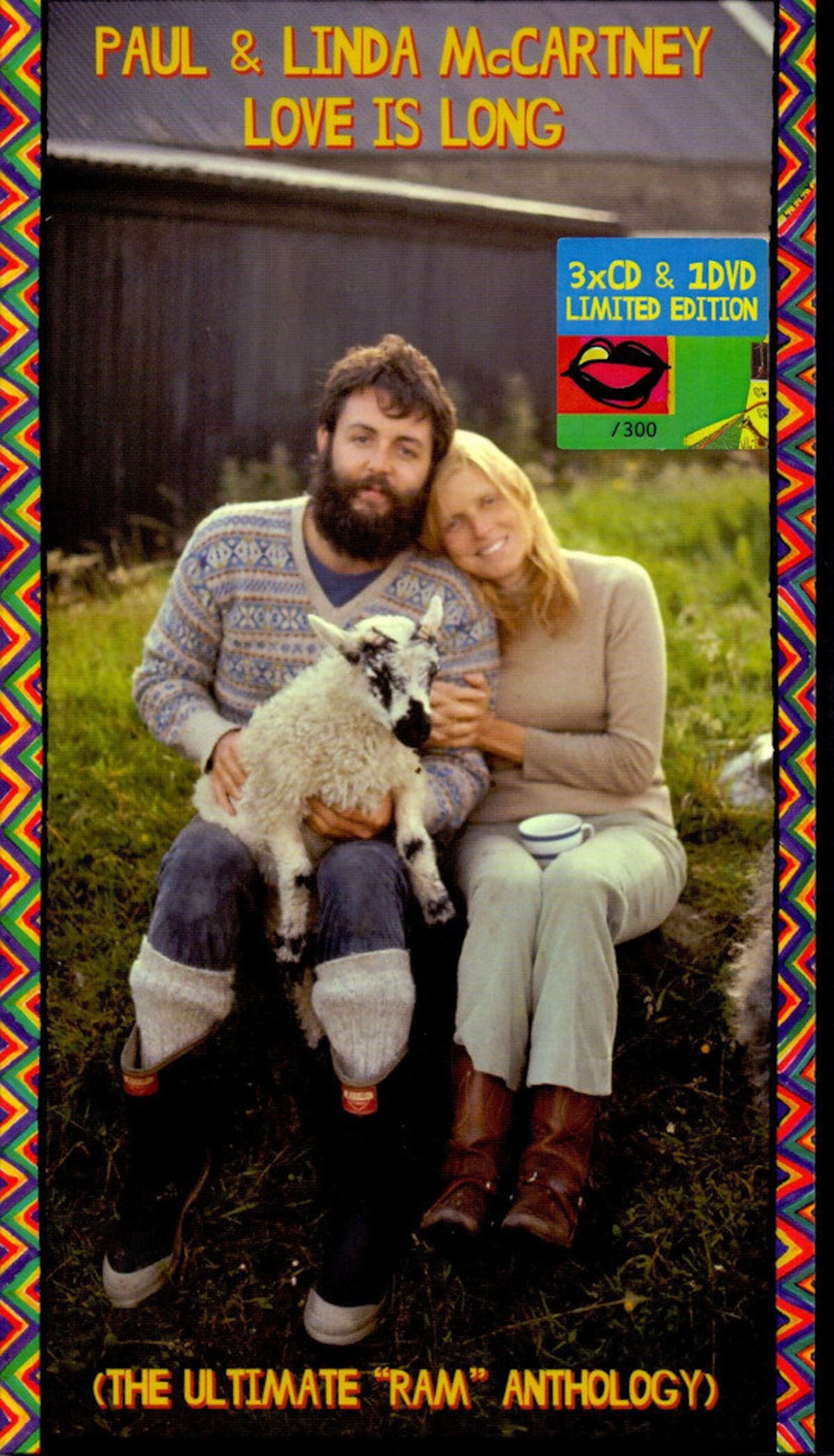
II. Here comes the Sun King’s shadow
Because I was raised with brothers and was, on my mom’s side, the eldest grandchild, I developed a bossy streak that everyone found hilarious when I was small. My snazzy, upper-middle-class grandparents would fly in from Arizona, take me to the Children’s Museum; later showing their friends photos of me shoving little boys out of the way to get on top of a monster truck. However, my extremely conservative, whole-wheat-bread-baking stepmom thought it was a very bad omen.
To be fair, I did go through brief phases of biting, scratching, choking and kicking in elementary school — little spikes of chaos that made adults wonder what kind of creature I was becoming.
This was also the era when I refused to let my mom (a hairdresser) comb my hair, so she finally cut it into the rounded, symmetrical style we called “the Danny Torrence special.” It’s still one of the great family jokes. Around the same time, she bought the Abbey Road CD, one of the few I could slip into her yellow-and-black Walkman.
I already adored Bugs Bunny and every form of slapstick — anvils, dynamite, frying pans to the face — so “Maxwell’s Silver Hammer” convinced me that violence was funny in a way adults secretly understood, even if they pretended to be above cartoon mayhem.
If the Beatles could sing about cheerful little murders, it meant I wasn’t a bad kid for loving the rhythm and absurdity of violent media; I liked the heightened, stylized spectacle, but felt guilty or like there was something “un-girlish” about that. I (mostly) outgrew real-life violence, but anyone with an enduring love for Kill Bill knows exactly what I mean.
i. Violence, chaos and danger in the Beatles — little girl’s starter pack
- “Happiness Is a Warm Gun” — The White Album
- “I Want You (She’s So Heavy)” — Abbey Road
- “Oh! Darling” — Abbey Road
- “Come Together” — Abbey Road
- “Why Don’t We Do It in the Road?” — The White Album
- “Helter Skelter” — The White Album
- John’s scream songs (“Yer Blues,” “Twist and Shout,” the proto–primal scream)
III. Abbey Road to Anthropology
On a Hawai‘i trip when I was fifteen, Abbey Road played through the speakers of my grandparents’ car as we crossed the island, lava fields in the distance and the long dark highway ahead of us. Near sunset, we pulled up close to the observatory, the sky throwing out one last explosion of color before the stars began to appear. We stepped out into the cold air and looked down at the cloud sea spread out like another planet.
Then we looked up through a giant telescope at Antares, the red heart of Scorpius, burning clear against the night.

My connection to Abbey Road crosses with what I was starting to understand about the island and its history. My grandpa Jeff was an architect (or something similar) at Hokuli‘a, a development on the Big Island creating a luxury community. Jeff contributed to through his Japanese-inspired minimalist designs for mansions overlooking the ocean on a jaw-dropping coastline.
I was learning the story of the development from the kids my age who lived there. This is something I’m trying to capture in these blogs: that the moments and sources that inform knowledge and meaning drastically shape the way you perceive information. The kids and my grandma, although the topic was taboo, told me what the land meant and how sacred burial grounds from the Bronze Age (or thereabouts) had been found, why the lawsuits mattered and how often white people imagined blank acreage instead of a place shaped by lineage, stewardship and memory.
My grandparents were old-school Democrats who integrated into the small community as much as anyone tied to a development project could. They were not naïve about the tension and they did not pretend it wasn’t there. The experience, seeing the situation from multiple angles, inspired me to pursue anthropology later.
IV. Runaways, girlhood and “She’s Leaving Home”
“She’s Leaving Home” came into my life in high school, when I was reading poems like Margaret Atwood’s “you fit into me” and starting to recognize the darker truths that settle in early for girls. High school is when you begin to see that “teen girls” are often viewed in a binary of boring and obedient or highly sexualized and cartoony.
Alternate modes can become uncomfortable for people and when you fall outside those easy categories, you’re forced to confront all the strange contradictions of “girlhood” — being the gossiped-about lead character in the soap opera version of your life. It’s the stage when escape becomes more than a metaphor and you catch yourself wanting to leave not just your circumstances but the whole planet and the entire human script altogether.
The teenage runaway is a theme I return to again and again in my art. I gravitate toward characters like Effy Stonem in Skins because they captured that tension: the push and pull between belonging and disappearance, between being watched and wanting to vanish.
“She’s Leaving Home” is a song I’d never have predicted I’d like. It caught me off guard. The Beatles were emblematic of the 1960s runaway generation, but here they were writing from the viewpoint of the parents, the people left standing in the doorway after she ran away. Their voices rise through the arrangement like a Greek chorus: bewildered, aching, trying to understand the shape of a departure they didn’t choose.
Which left me with a question I couldn’t shake: why did a group of very young men choose this vantage point? Why write about the runaway girl from inside the parents’ fear instead of the glamour of the girl’s escape? That choice felt strangely mature, almost dissonant with their public mythology. It suggested they understood the runaway not as an icon but as a daughter embedded in a social world — family, community, expectations, the fragile networks adolescence can fracture.
V. Beatles songs that changed shape over time
i. “Dear Prudence” and the Rishikesh lens
“Dear Prudence” never landed for me until I learned the context. During the Beatles’ stay at Maharishi Mahesh Yogi’s ashram, Prudence Farrow isolated herself so intensely that Lennon wrote the song to coax her back into the world. With that in mind, the simplicity of the song becomes a kind of pastoral caretaking, not a repetition for its own sake.
ii. Listening beyond Earth: “Across the Universe”
“Across the Universe” changed shape for me in a similar way. It wasn’t until after my own time in the desert — and reading more about the India period — that the song opened up. Its suspended, drifting structure echoes “Here, There and Everywhere,” but pulled toward the edges of spacetime. It’s now one of my favorite songs.
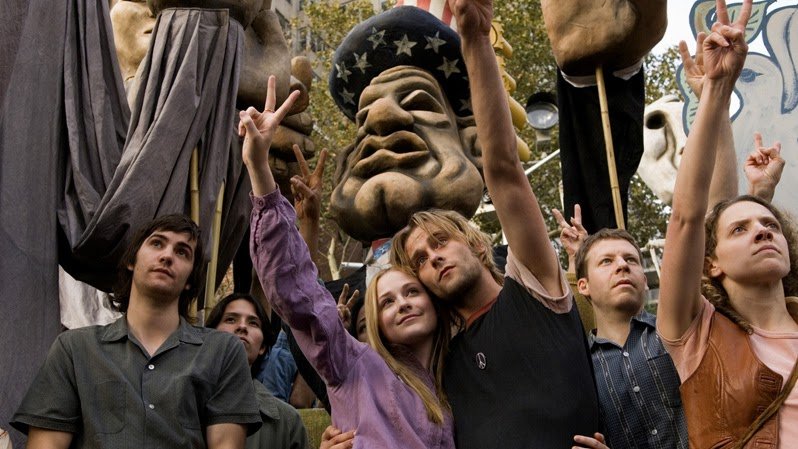
iii. Falling in love with the schizoid
There were songs I couldn’t reconcile with at all. I still don’t like “Everybody’s Got Something to Hide Except Me and My Monkey,” and “Savoy Truffle” never settled for me either. For a long time I dismissed much of The White Album because the contrasts felt too abrupt — bright pop beside deliberately strange distortion.
“Julia” was the first one that changed for me. “Honey Pie” followed after hearing the Pixies cover, which so captures the range and depth potential of the Beatles catalog. And then “Long, Long, Long” became the center point. It arrived during a chaotic, formative stretch in my life, when Elliott Smith and the quietest Led Zeppelin songs were the core of my listening.
iv. Eternal sunshine of the rearranging Harrison house
The older I get, the more “Long, Long, Long” feels less like a song and more like a house I keep rediscovering — rooms shifting, a held breath in the wood. Every time I return to it, I hear a new vibration, a new ache that wasn’t there before. Built on restraint and resonance, it feels private and unguarded, as if Harrison left it open for us to wander through.
It waited for me, the way great art does, until I became someone who could hear it. That’s how I fell in love with George Harrison… became his “Soft-Hearted Hana.”
Leave a Reply
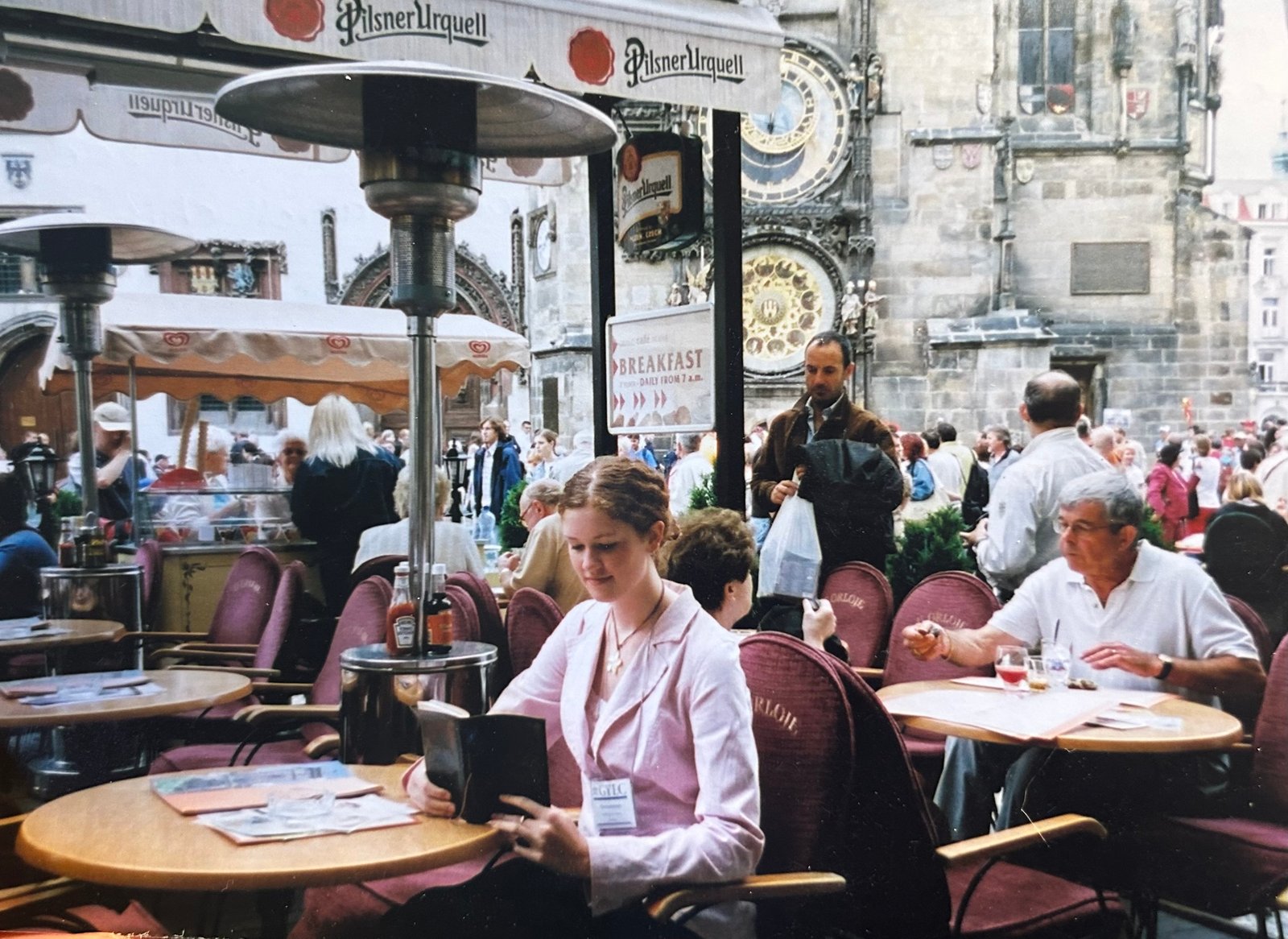
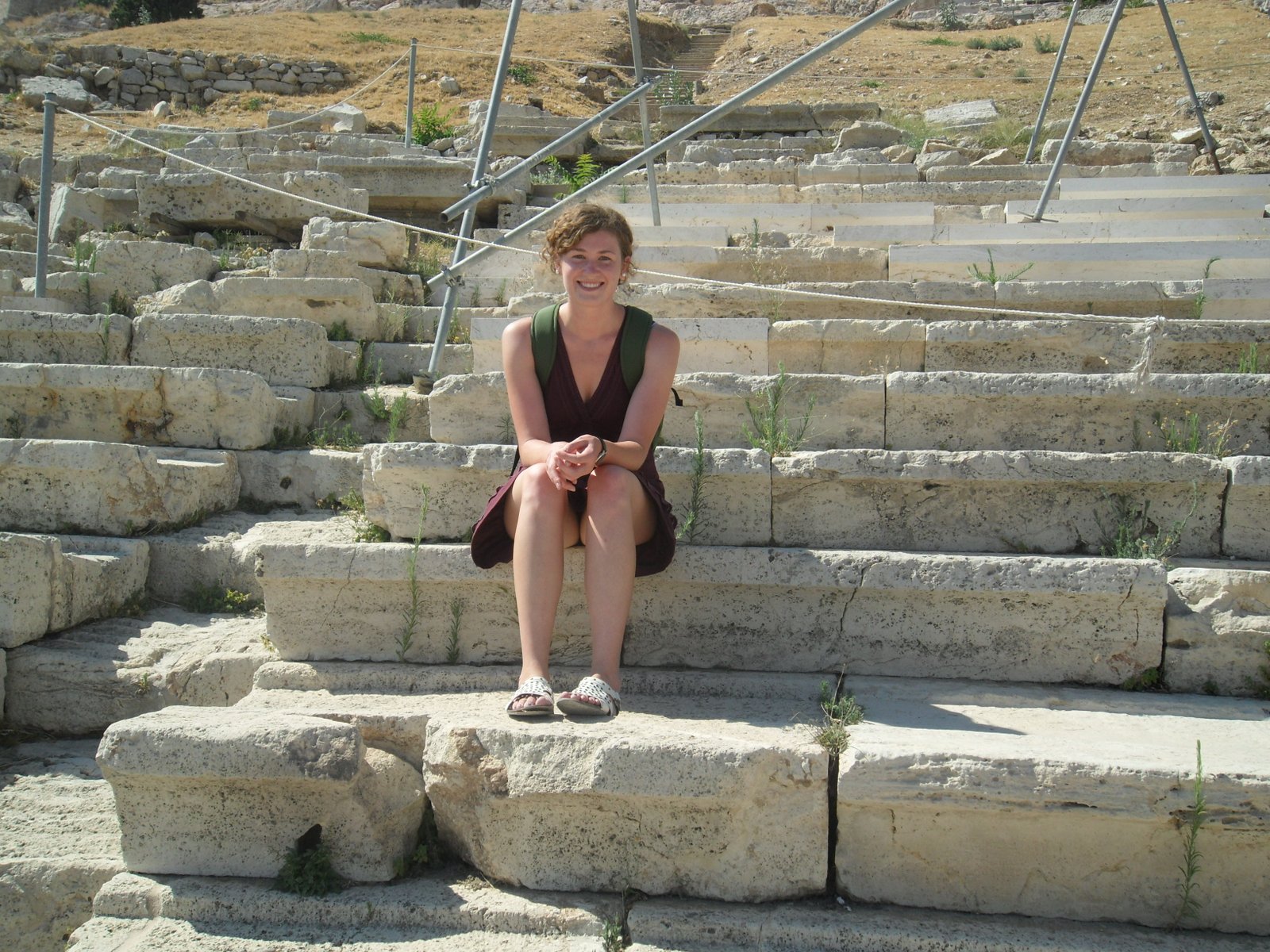

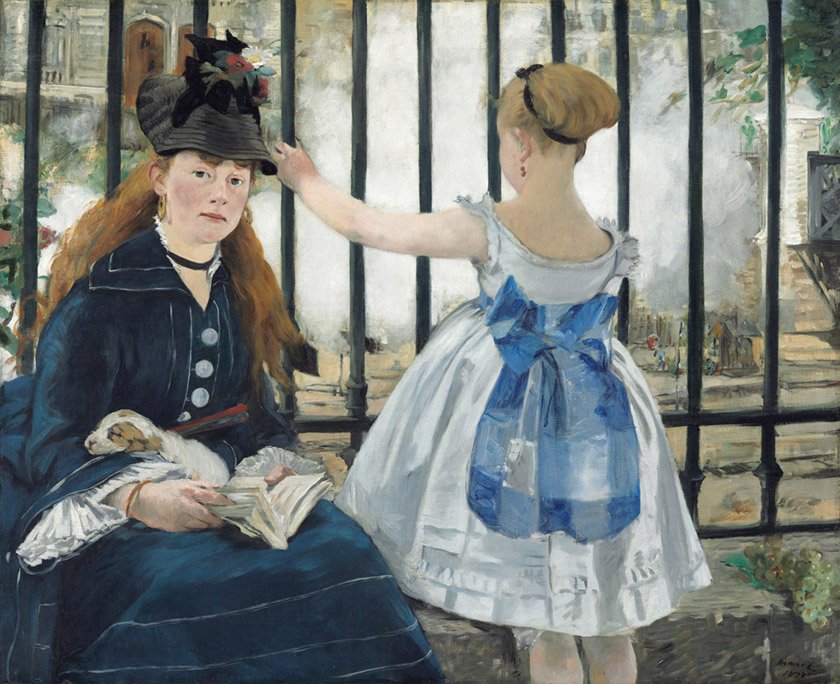
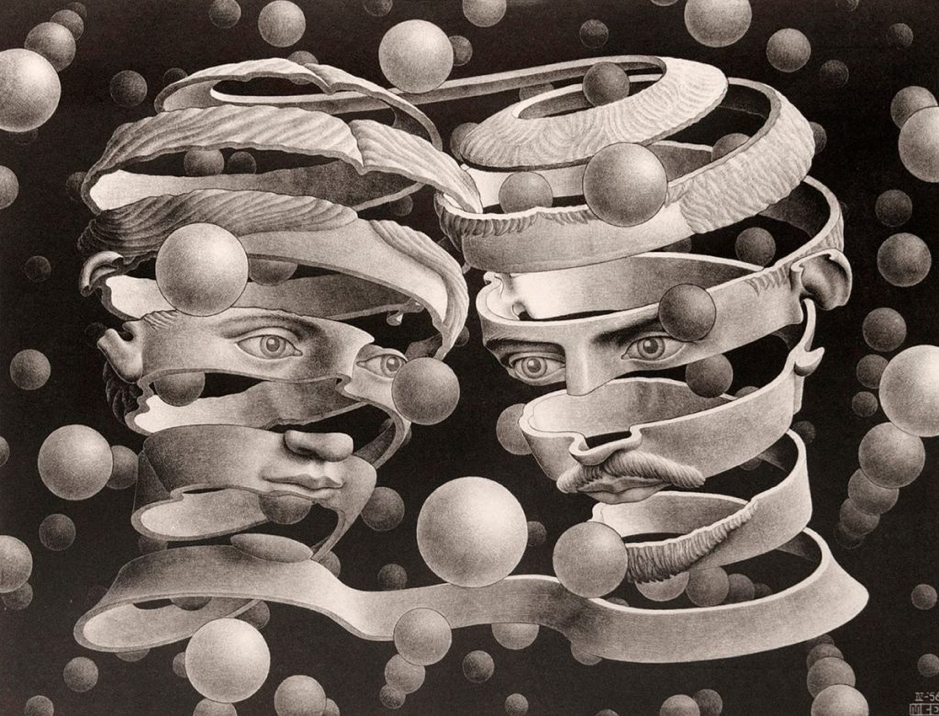
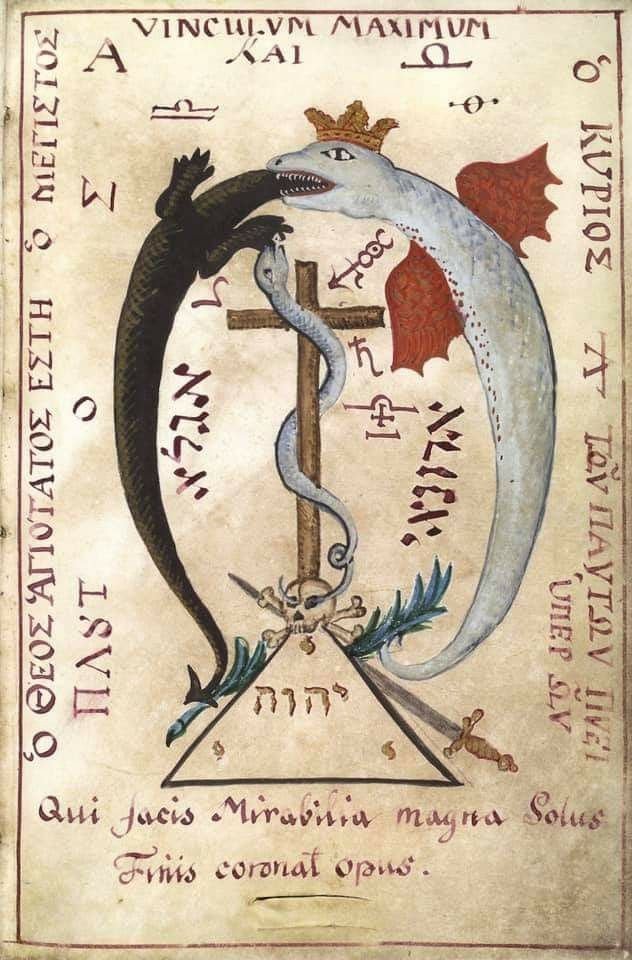
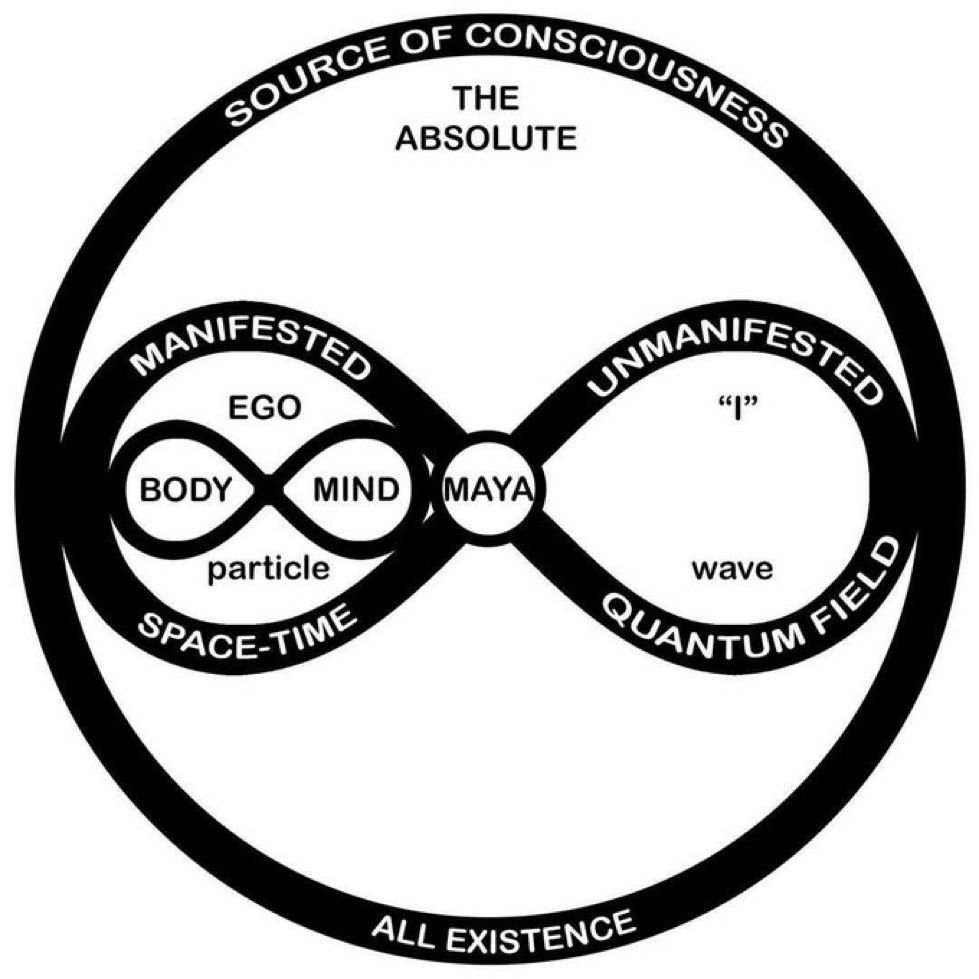
Leave a Reply