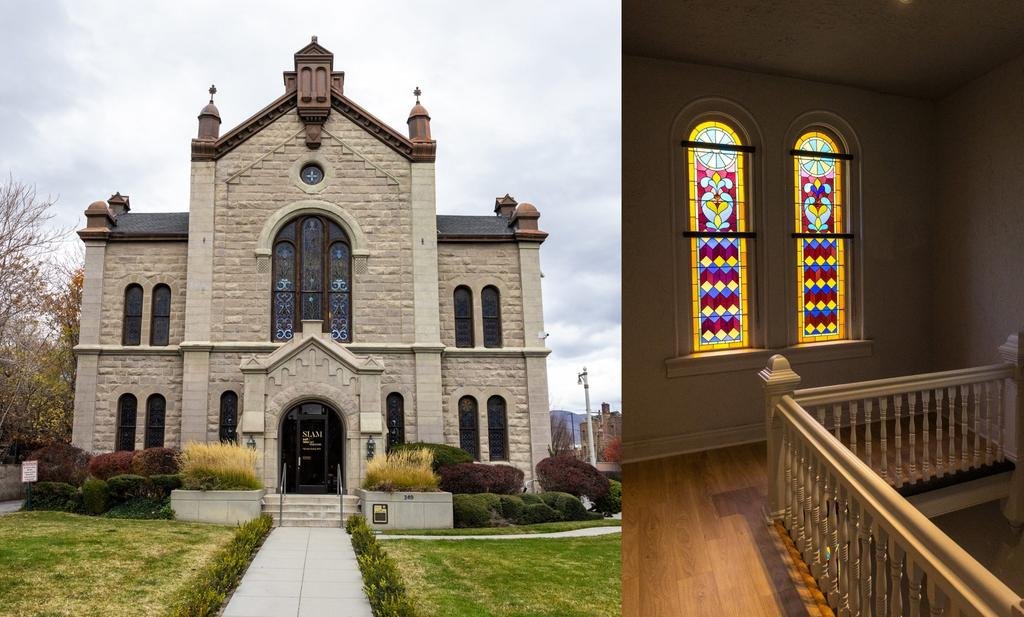
Yesterday I was reminicing about the churches I knew and loved in Cambridge—stone chapels tucked into side streets or towering over intersections, the kind of places that hold memory simply by continuing to stand. Today I’m thinking about another piece of historic architecture much closer to home: the B’nai Israel Temple in Salt Lake City, where the Salt Lake Art Museum (SLAM) is beginning to take shape. I recently published an article about the building’s long history and its new institutional future. The thread between the two posts is preservation—how inherited spaces carry memory, and what it means when a community chooses to keep or discard the places that define it.
The Tragedy of the Pantages Theater
My interest in preservation became personal during the Utah Pantages Theatre debacle in 2021, when I researched, wrote, and anonymously published an article about the zero-dollar deal that handed a nationally significant 1918 theatre to developers for demolition (read it in SLUG). The story had been in the news for a while and continue to gain traction, written up by multiple reporters at The Salt Lake Tribune and elsewhere. Months later, I learned that the Mayor’s office had contacted SLUG asking about the author behind the piece—an unexpected development that sharpened the sense of risk many preservation advocates already felt. When the city ultimately went through with the demolition during the pandemic, I remember standing on Main Street and looking at the cleared site where the theatre had stood.
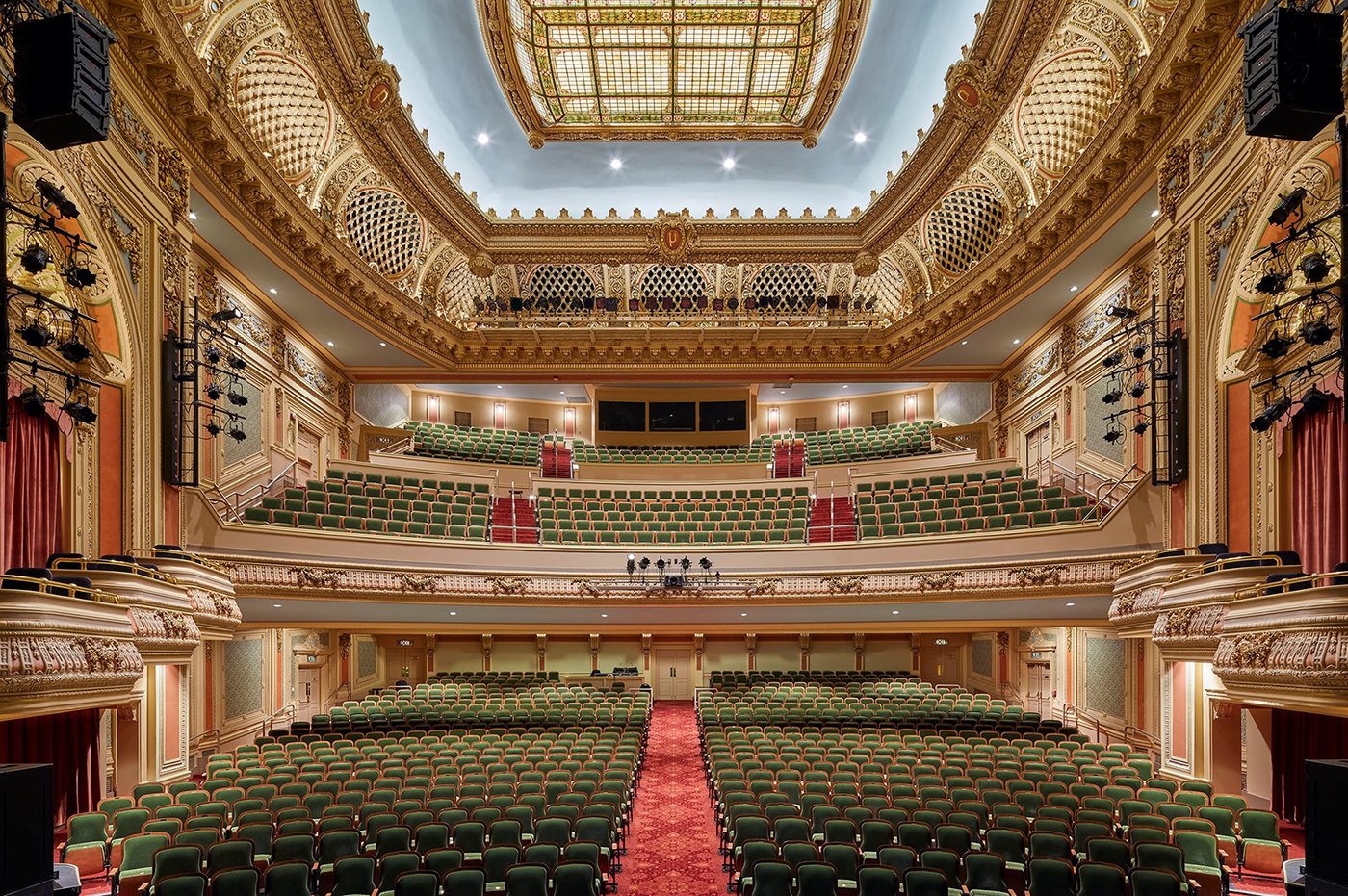
What followed has only underscored the loss. The redevelopment tower promised in exchange for tearing down the theatre has yet to materialize. According to recent reporting, the property has been cleared and is being used as a temporary surface parking lot while the high-rise project remains stalled. The developer has requested paving and interim-use approvals, and the site continues to sit empty—an absence rather than a new beginning.
In the words of the Salt Lake Tribune, the theatre was “torn down in 2022 … to make way for a parking lot,” a bitter outcome when the city gave up a historic landmark and a (rumored to be) priceless Tiffany skylight, taken from the site before the demolition. The RDA has been rebranded the CRA, with no mention of the name change on the city’s websites.


One Success Story
Against that backdrop, the work happening at the B’nai Israel Temple feels like a rare counterexample. Instead of another teardown or another “too expensive to save” narrative, the building is being restored in a way that reconnects it to the community that built it. SLAM’s founder, art historian Micah Christensen—whose family operates Anthony’s Fine Art & Antiques just a few blocks away—has rooted the museum’s vision in the building’s layered cultural history, and in the relationships his family has maintained within the area for generations (more in the 15 Bytes article). The museum’s presence inside the old sanctuary weaves together family history, art, and the cultural life of the neighborhood. It’s a reminder that preservation can be generative—not just resistance to loss, but a way of making room for future stories inside an inherited space.
Preservation always sits somewhere between memory and power. Cambridge taught me that some places endure because whole communities quietly steward them. Salt Lake taught me that some buildings require a public fight, and that those fights sometimes come with unexpected personal costs. The B’nai Israel Temple—and the work SLAM is beginning inside it—offers a different model: a moment where the city, the institution, and the community align long enough to let history remain visible. After watching the Pantages reduced to a cleared lot awaiting a project that still hasn’t begun, that alignment feels worth noting.