I learned the feeling of Modernism—before I could define it—by walking the Fine Arts & Architecture complex at the University of Utah. Designed around 1970 by Edwards & Daniels Associates, the complex rises in stacked planes and shadowed seams, a 140,000-square-foot maze of studios and galleries where every surface feels purposeful, guided by light, proportion, and clarity. I arrived there from West High on an academic scholarship, and those halls became my first real encounter with modernist form as something lived rather than studied.
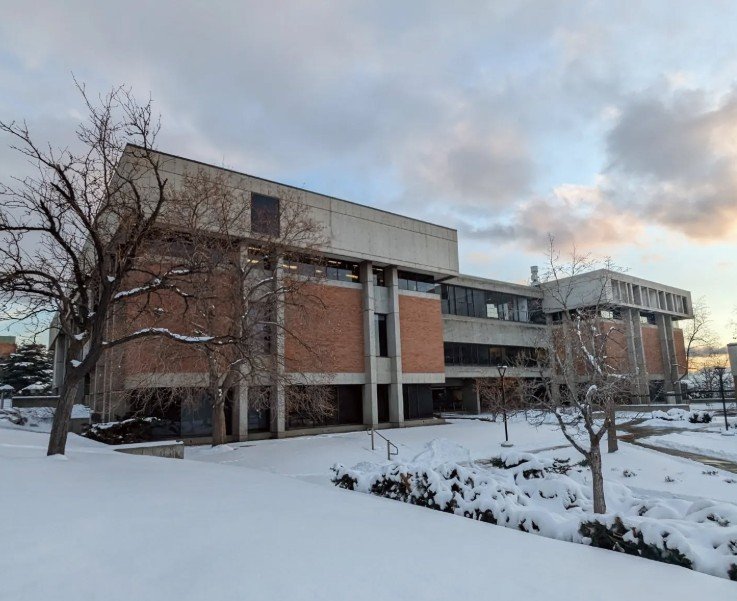
I spent long evenings studying in the building’s corridors and studios, walking the terraces before finals, the building’s hard edges throwing shadows that made the campus feel both monumental and strangely quiet. The complex behaved like a modernist sculpture in the American postwar sense—an environment built on honest materials, structural clarity, and the idea that meaning could emerge without ornament.
That late-modernist language runs through the campus. The J. Willard Marriott Library—completed in 1968 and spanning more than 600,000 square feet—shares the same architectural convictions: clean geometry, open interiors, long sightlines, and reading rooms shaped by natural light. Together, these buildings formed the atmosphere of the university: a campus grounded in the belief that form and learning could reinforce one another.
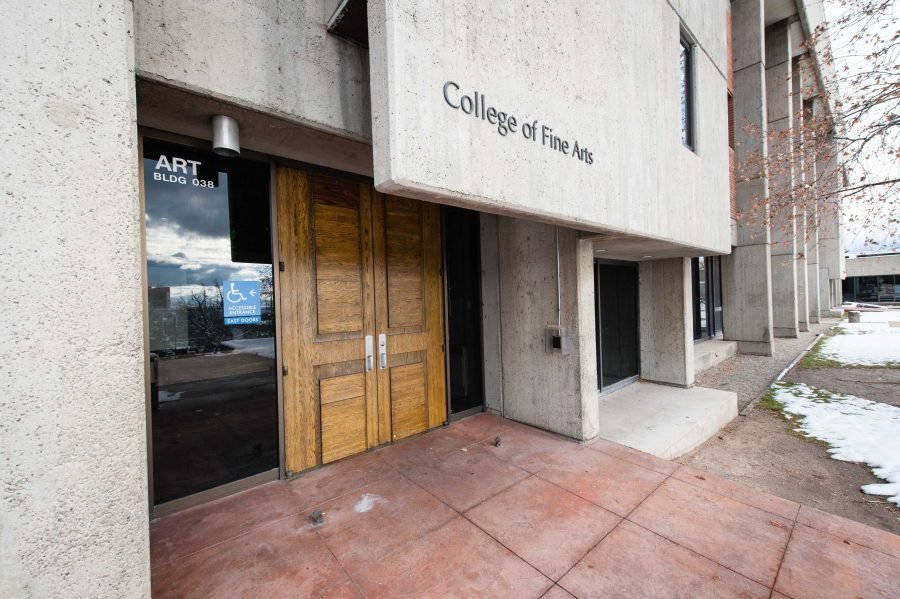
Fine Arts & Architecture Building: Notes
- Extends the language of late modernism.
- Reinforces Adolf Loos’s Raumplan at institutional scale.
- Dramatic shifts in volume, light, and circulation.
- Concrete left raw; brick infill carefully grouted.
- Cedar used for warmth and acoustic softness.
- Circulation alternates between platforms, lobbies, studios, and skywalks.
Beat Lines, Drafting Lines
For me, that concrete also carried a family echo. My grandfather, Jeffry Cloward McBeth, came out of the same era of Utah modernism that produced these buildings, and as a Fine Arts student at the University of Utah studying to become an architect, his life was threaded so tightly through the campus that it is hard to tell where the architecture ends and the family stories begin.
He met my grandmother on the University of Utah hillsides in the late ’50s—she still remembers him pedaling up Elizabeth Street to pick her up for dates. The stories I grew up with are full of postwar optimism and poured concrete: new campuses, new programs, new forms of art and architecture stretching along the Wasatch Front. His older brother, my great-uncle James “Jim” MacBeth, pushed the impulse into sculpture; two of the three McBeth boys becoming professional artists.
After my grandparents finished their art degrees, they did what many young artists of the time hoped to do: they left Utah for San Francisco. Both had been raised in strict, traditional households; moving to Haight-Ashbury in the early ’60s felt like stepping sideways into a wider, more permissive world.
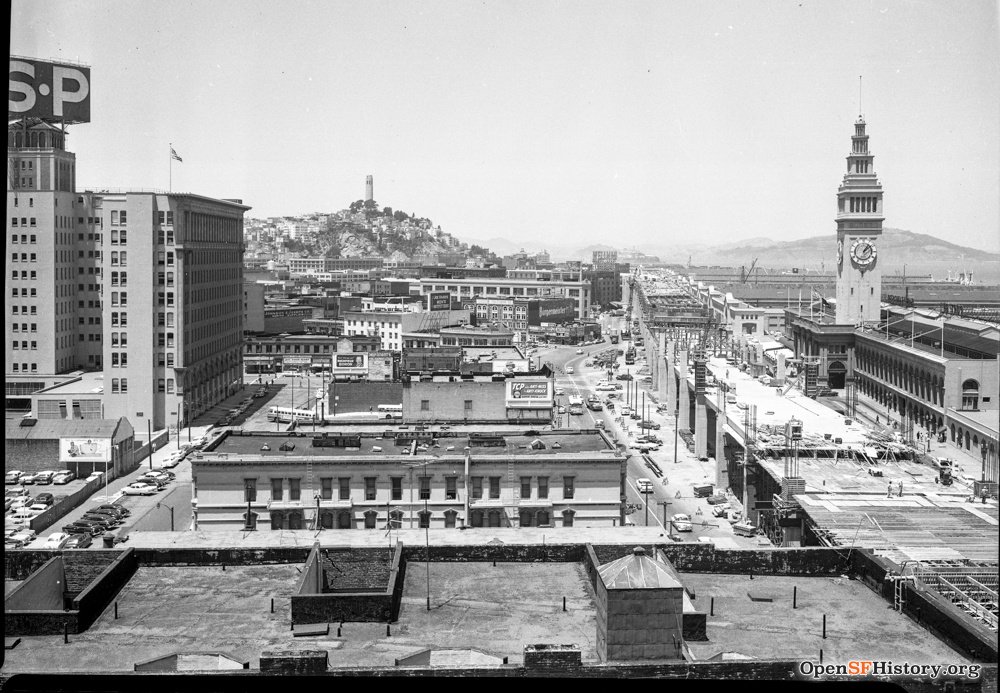
From 1962 to 1963—those hinge years when the city was shifting from Beat quiet to full counterculture bloom—they chased the post-graduate art life they’d imagined from afar. Jeff worked as a architectural draftsman in the Financial District, drawing elevations and facades with the same instinctive love of straight lines and structural clarity that shaped him from childhood.
Even in a city crowded with ornament, his precision never felt rigid. It read as a worldview, a belief that clarity, discipline, and restraint could carry their own kind of beauty. They returned to Utah in 1964 with their first child, my mom, and brought back the openness and confidence they had gathered during that short San Francisco chapter.
Sculpture in the Civic Grain
That impulse toward structure ran through the family in different ways. Jim followed a parallel artistic path north to Ogden, where he became a sculptor and later the Head of the Art Department at Weber State University in Ogden, Utah.
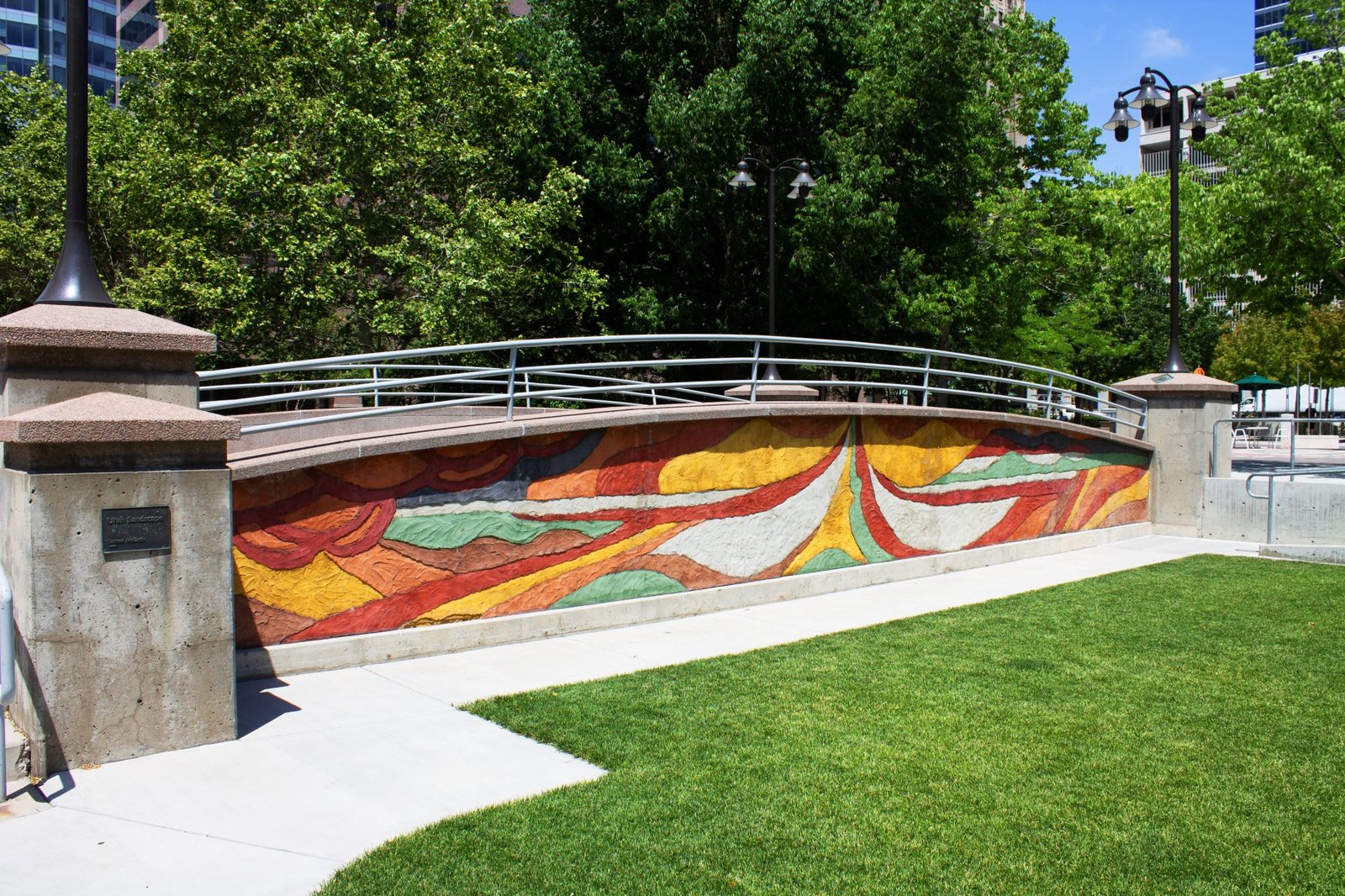
His work entered Utah’s public landscape at a moment when cities across the state were embracing modernism in their civic spaces—treating sculpture and architecture as a shared visual language. MacBeth’s best-documented works appear across Northern Utah, including Utah Sandscape (1996), an abstract desert-inspired installation created from tinted mortar on the pedestrian bridge at Salt Lake City’s Gallivan Center, and Connections (1998), a 2,000-pound stainless-steel sculpture mounted above the main east entrance of Weber State’s Shepherd Union Building.
About Utah Sandscape, Jim said: “I would like (people) to get a feeling of a natural landscape – something that doesn’t happen in the city. It carries people into another environment while still in an urban area.”
Additional works appear in Ogden City’s public-art catalog, including installations at Lorin Farr Park. His materials were pragmatic—mortar, steel, colored aggregates. He worked in the abstract modernist belief that form should clarify and enhance space, not decorate it.
Where Jeff practiced modernism through drafting tables and elevations, Jim carried it into public sculpture, creating objects that shaped how people moved, paused, and oriented themselves in the built environment.

Learning to Name Abstraction
As I learned as an undergraduate in Art History at the U, Modernism means simplification with intent, structure without apology, and clarity that doesn’t fear silence. The Utah Museum of Fine Arts, just down the hill, reinforced this education through the work of mid-century abstractionists like Ilya Bolotowsky and John D. McLaughlin (the image above is #21, 1958 on display at UMFA), whose balanced geometries and disciplined reduction echoed the same values embedded in the buildings outside. Their paintings made abstraction feel less like an artistic choice and more like a way of thinking, shaped entire landscapes, from museum walls to the structural bones of campus.
Concrete, Memory, Lineage
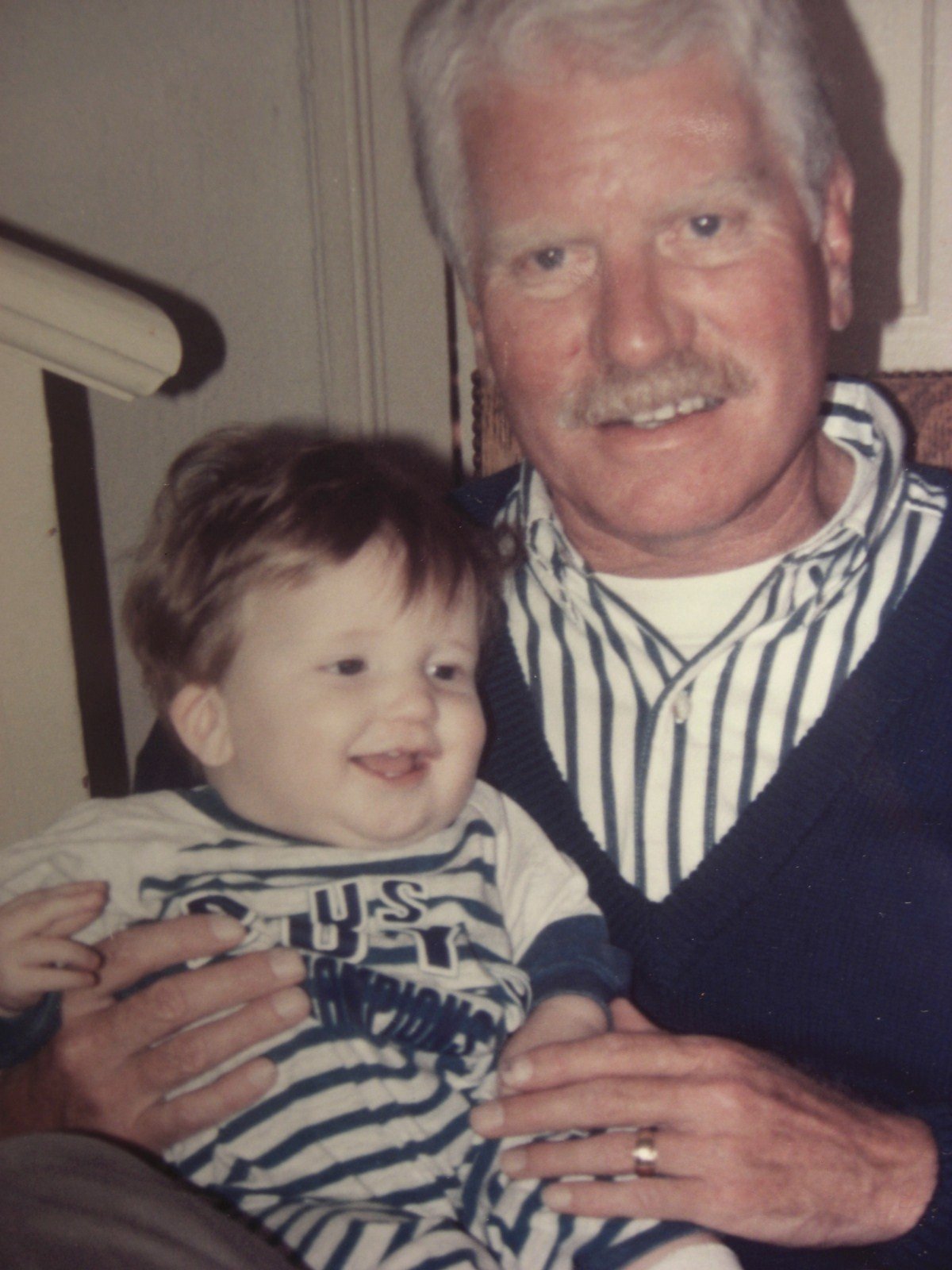
Walking the campus, I feel my grandfather in the architecture itself. The Fine Arts complex and the Marriott Library shaped part of my education long before I arrived, their forms echoing the hard-edge paintings at UMFA and the sculptures spread across the Wasatch Front. My grandfather and great-uncle never approached art as theory. They built and taught, and the discipline of their work lived in the way they moved through the world. When I write about Utah’s artists now, I return to that early understanding: the way structure becomes memory, and memory becomes a way of seeing.